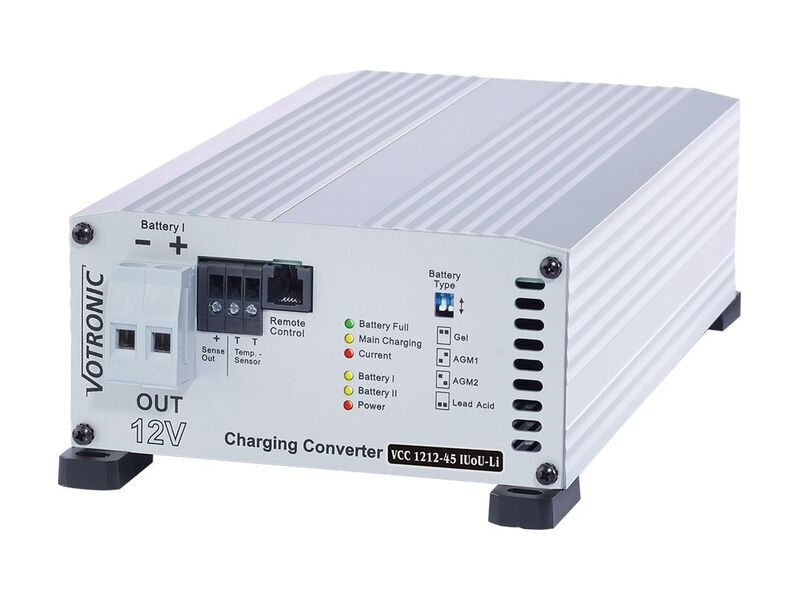

Votronic VCC 1212-45 IUoU-Li
The VCC 1212-30 charges a lead-acid battery just fine, but a large lithium bank deserves an isolated charger with a real dedicated profile: the VCC 1212-45 IUoU-Li.
Characteristics
- Charging current: 45A
- Isolation: Galvanic (the 1212-30 is not)
- LiFePO4 programme: Dedicated 14.4V, built-in BMS protection
- Weight: 3.7 lb (1.7 kg)
- Galvanic isolation plus dedicated 14.4V LiFePO4 programme
Detailed overview: Votronic isolated 45A lithium alternator charger
The Votronic VCC 1212-45 IUoU-Li is an onboard 12V charger rated at 45A, designed to charge the house battery of an RV, converted van or boat from the vehicle's alternator. Unlike the VCC 1212-30 already in the range, it is galvanically isolated between the input (starter battery) and the output (house battery): a complete separation of the circuits that removes any risk of parasitic discharge between the two batteries, improves suppression of electrical interference, and adds extra safety in case of a fault, especially on rigs already loaded with onboard electronics.
Its second major difference lies in the charging program: alongside wet lead-acid, Gel and AGM profiles, the VCC 1212-45 IUoU-Li carries a dedicated program for complete LiFePO4 lithium batteries, with a charging voltage of 14.4V and recognition of the battery's built-in BMS protection. This profile avoids the compromises of a repurposed AGM mode for lithium, and charges the house battery faster and more fully.
The VCC 1212-45 IUoU-Li is recommended for house batteries from 90 to 300 Ah (400 Ah maximum), with a charging current of 45A and a maximum input current of 63A on the starter battery side. A supplied temperature sensor automatically adjusts the charging voltage of lead-acid batteries to their real temperature. Extensive protections (overload, overheating, overvoltage, short circuit, reverse polarity, back discharge) secure the installation, with fully automatic operation triggered by D+ or ignition.
Bulkier and pricier than the VCC 1212-30 (11.0 x 5.5 x 2.9 in / 280 x 139 x 74 mm, 3.7 lb / 1.7 kg versus 9.9 oz / 280 g), the VCC 1212-45 IUoU-Li clearly positions itself as the premium option in the range: reserved for installations with a genuine lithium battery to charge and a real need for galvanic isolation, where the general-purpose 1212-30 is enough for a standard lead-acid battery. As of this writing, no US retailer stocks this exact isolated 45A model; it ships from Offgridtec in Germany.
EAN: 4250683617958
Comparison
How does the Votronic VCC 1212-45 IUoU-Li compare to other isolated DC-DC chargers for vans and RVs, a comparison frequently searched for lithium installations?
| Criterion | Votronic VCC 1212-45 IUoU-Li | Victron Orion-Tr Smart Isolated 12/12-30 | Renogy DCC50S | CTEK D250SE |
|---|---|---|---|---|
| Charging current | 45A | 30A | 50A | 20A |
| Galvanic isolation | Yes | Yes | No | No |
| Dedicated LiFePO4 programme with BMS | Yes (14.4V) | Yes | Yes | Yes |
| Built-in MPPT solar input | No | No | Yes | Yes |
| Included temperature sensor | Yes | No | No | No |
The Votronic VCC 1212-45 IUoU-Li stands out for its generous charging current (45A) combined with full galvanic isolation and an included temperature sensor as standard, a rare combination at this level. The Victron Orion-Tr Smart Isolated leans on Bluetooth and a compact format for a more modest current. The Renogy DCC50S and CTEK D250SE add a built-in solar MPPT but drop galvanic isolation. For a high-end lithium installation seeking isolation and charging power, the VCC 1212-45 IUoU-Li remains a solid choice.
Our tester's review: Gilles Caron
Fitted in a Class A motorhome with a 280 Ah LiFePO4 house battery, the Votronic VCC 1212-45 IUoU-Li replaced a VCC 1212-30 that had become too limited. The difference shows mostly in installation peace of mind: galvanic isolation removes any concern about a shared ground between the starter and house battery circuits, a real plus on a rig already packed with electronics. The dedicated LiFePO4 profile (14.4V, recognized BMS protection) selects in seconds and charges noticeably faster than a repurposed generic lead-acid profile. The supplied temperature sensor clips easily onto the battery. The housing gets noticeably warm under full summer load and the unit is bulkier than the 1212-30, understandable given the power and isolation on board. For anyone with a genuine lithium battery to charge who also wants isolation, this higher-end Votronic clearly delivers over the more general-purpose 1212-30.
Frequently asked questions: Votronic isolated 45A lithium alternator charger
The VCC 1212-45 IUoU-Li charges harder (45A versus 20-30A), is galvanically isolated (the 1212-30 is not) and carries a dedicated LiFePO4 programme with BMS recognition, making it the premium option for a lithium battery.
It fully separates the starter and house battery circuits, which avoids parasitic discharges, improves suppression of electrical interference and adds safety in case of a fault.
Yes. It offers a dedicated charging profile at 14.4V with recognition of the built-in BMS protection on complete LiFePO4 batteries, rather than a repurposed AGM profile.
As of this writing it is not stocked by a US retailer; it can be ordered directly from Offgridtec in Germany, which ships internationally, typically within 2 to 5 business days.
Other products in the "Alternator chargers" category
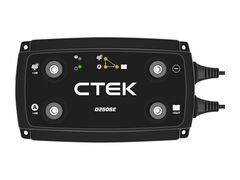
CTEK D250SE
See price (9)
Alternator AND solar panel in a single 1.5 lb (0.7 kg) box: the CTEK D250SE recharges the house battery without ever needing a separate solar regulator.
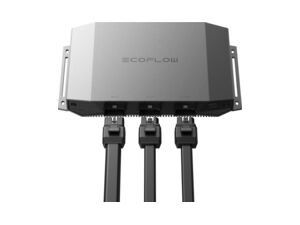
EcoFlow Alternator Charger Plus 1000
$445.47 (4)
Up to 1000 W from the alternator while driving: the DC-DC charger with a dedicated solar port and reverse charging, that never drains the starter battery.

Fossibot FAC580
$199.00
Up to 580W from the alternator while driving, about 6 times faster than a 12V outlet, compatible with most third-party power stations.
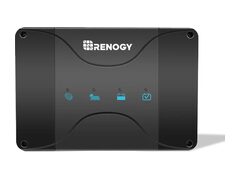
Renogy DCC50S
See price (12)
Recharge your house battery while driving AND from the sun: the Renogy DCC50S packs a 50A DC-DC charger and MPPT solar controller in one unit, built for vans.
Published on 04/09/2026