Solar kit batteries
Our selection
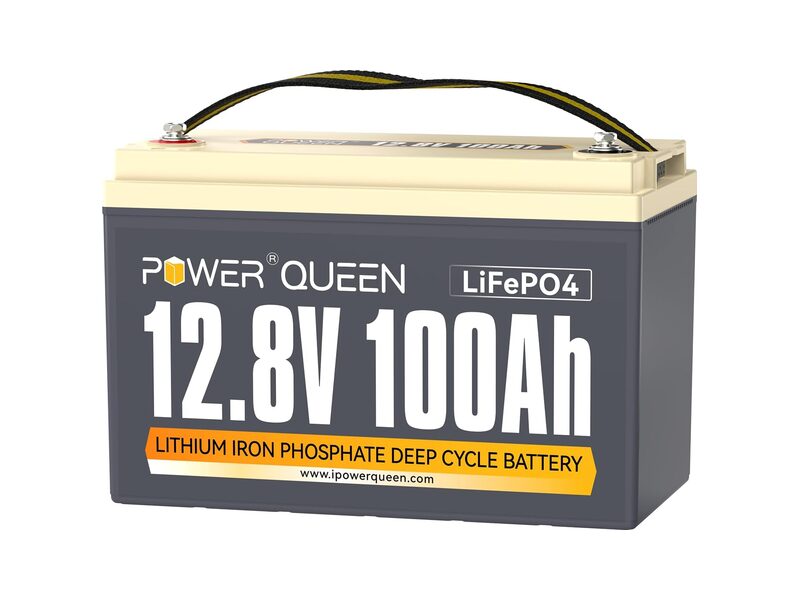
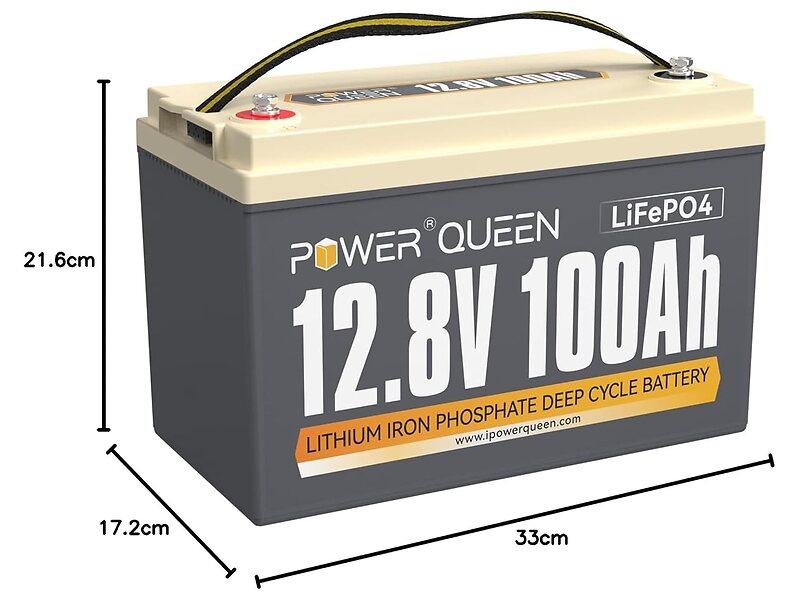
Power Queen 100Ah LiFePO4 battery
See price and availability (10)
1280Wh of reliable, light lithium: the 12V 100Ah LiFePO4 battery that replaces lead, lasts thousands of cycles and unlocks the runtime of a motorhome, boat or solar kit.
- Capacity: 12V 100Ah (1280 Wh, LiFePO4)
- Cycles: 4000 to 15000 cycles
- Protection: 100A BMS, low temperature
- Dimensions: 13 x 6.8 x 8.4 in (329 x 172 x 214 mm)
- 1280Wh LiFePO4, 100A BMS, long life
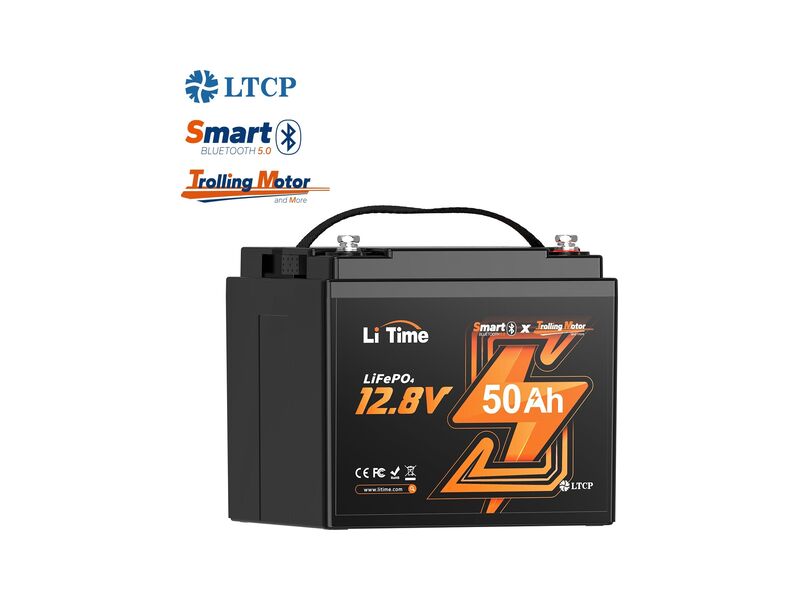
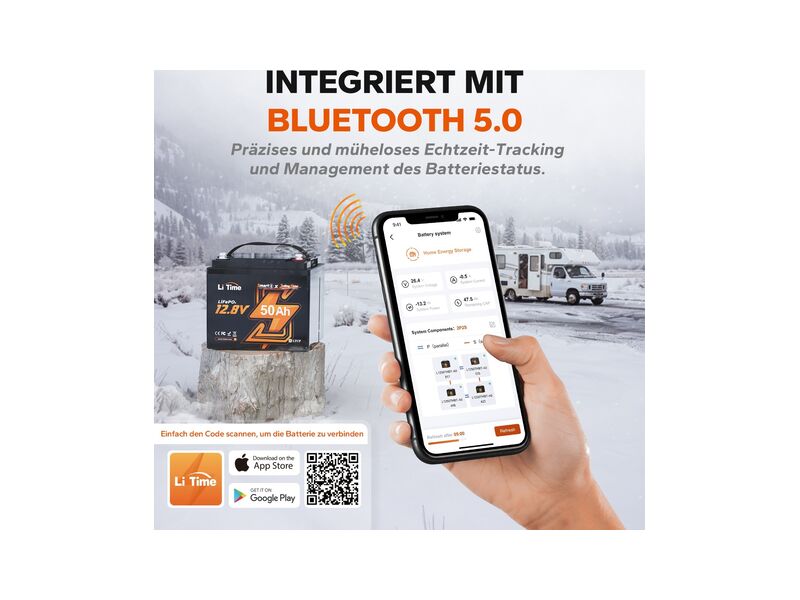
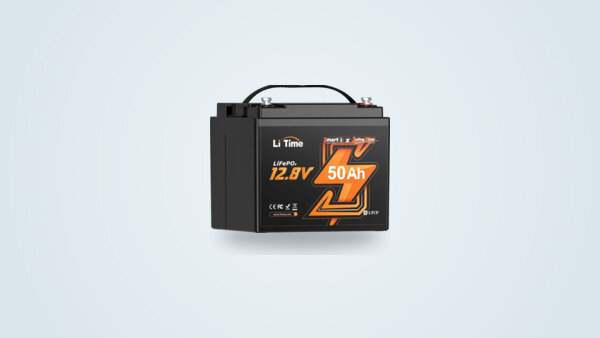
LiTime 50Ah LiFePO4 Bluetooth Battery
$289.99 $215.99
(9)
640Wh of compact lithium with Bluetooth monitoring: the LiTime 12V 50Ah replaces lead-acid on a trolling motor, an RV, or a solar setup, no compromise.
- Capacity: 12V 50Ah (640Wh, LiFePO4)
- BMS: 50A, low-temperature protection
- Cycles: 4000 cycles at 100% DOD
- Connectivity: Bluetooth 5.0, LiTime app
- 640Wh compact, Bluetooth 5.0, IP65 rated
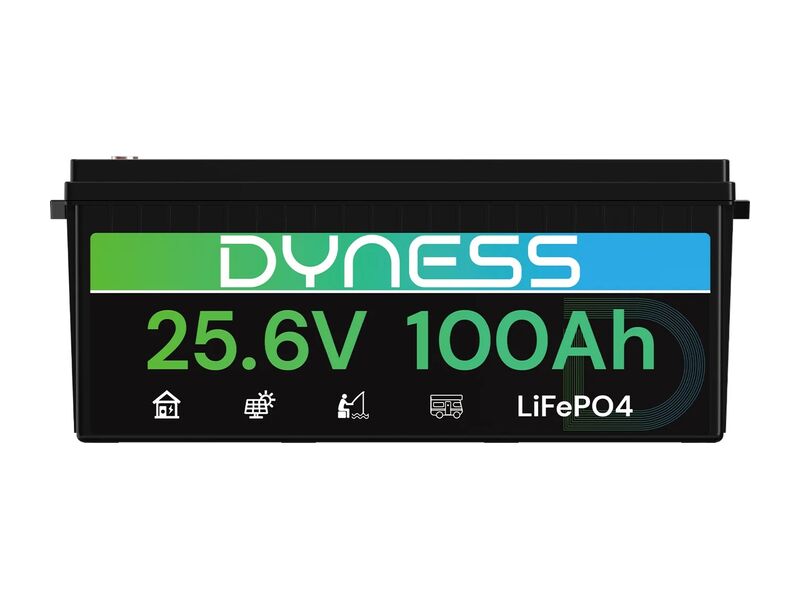
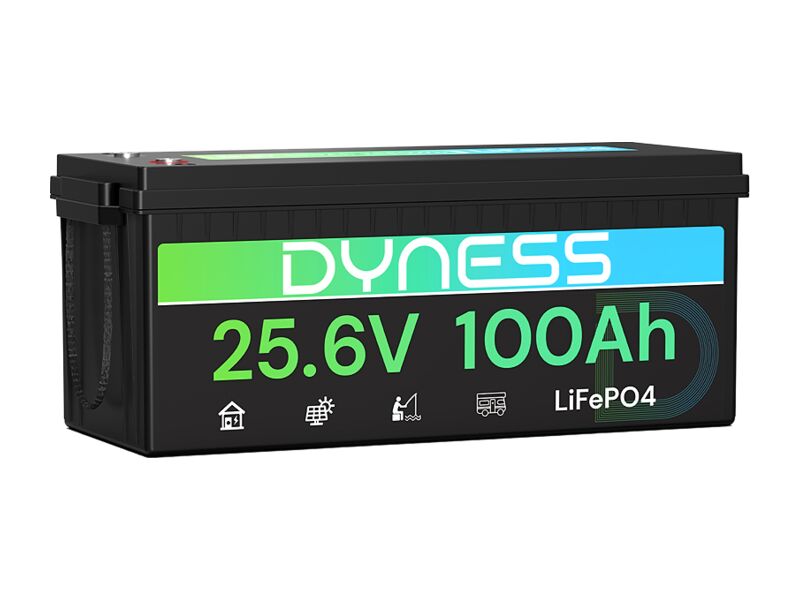
Dyness 24V 100Ah LiFePO4 Battery
See price and availability (5)
The Dyness 24V 100Ah replaces two 12V batteries wired in series, with a 100A BMS and cold-weather protection for any solar kit, RV or boat.
- Capacity: 100Ah / 2560Wh (24V LiFePO4)
- BMS: 100A continuous, 300A/s surge
- Protection: Low-temperature down to -4 °F (-20 °C)
- Weight: 42.5 lb (19.3 kg), 20.9 x 8.1 x 8.5 in (531 x 206 x 217 mm)
- Replaces 2x 12V batteries, 30% more space
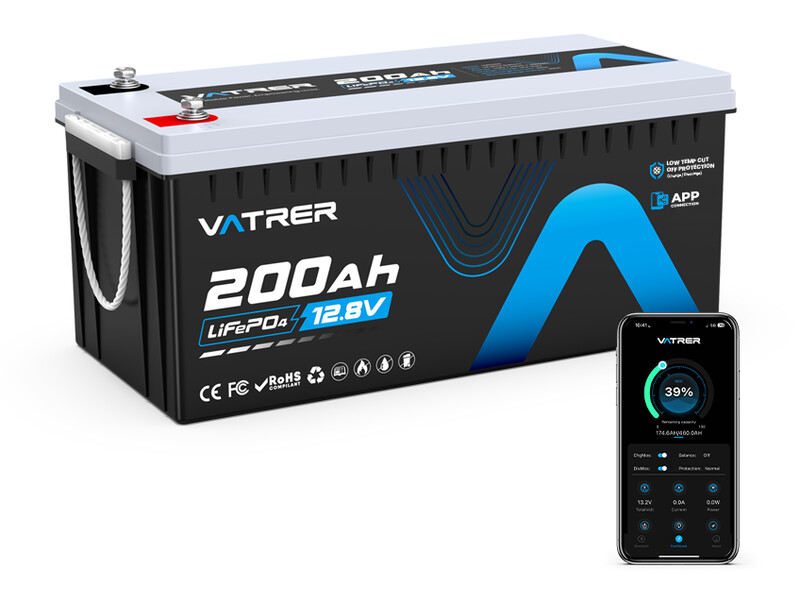
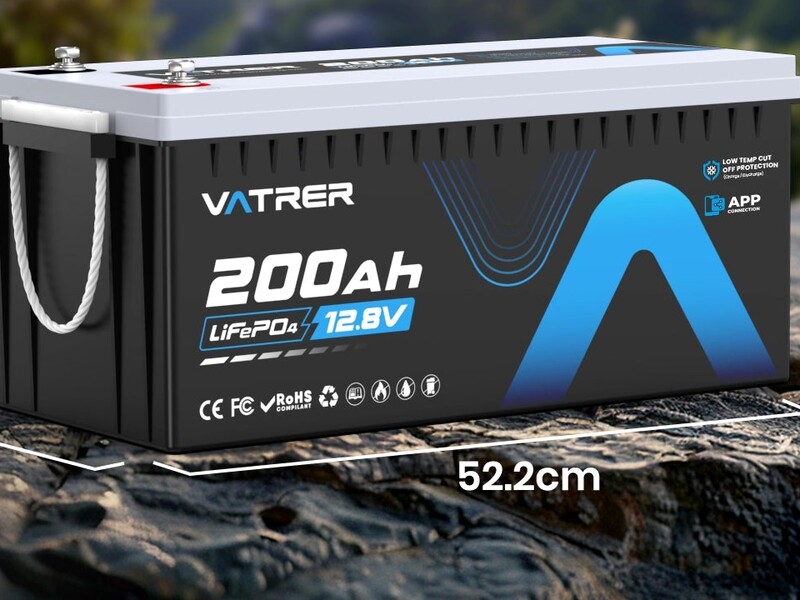
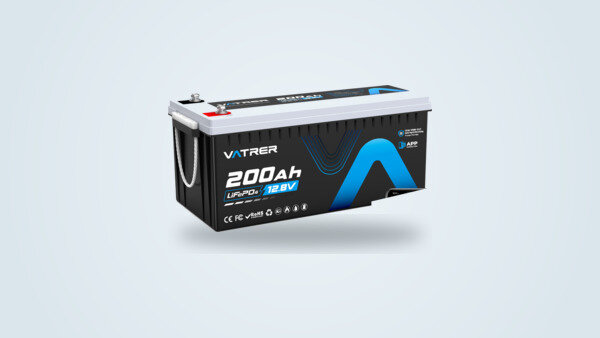
Vatrer Power 200Ah LiFePO4 Bluetooth Battery
$490.64 (4)
A compact 200Ah lithium battery with Bluetooth control and an IP65 rating, built to give a van, boat or solar kit a solid, reliable power reserve.
- Capacity: 200 Ah / 2560 Wh (12.8V LiFePO4)
- BMS: 200A smart, IP65
- Cycles: 5000+ rated cycles
- Weight: 48.5 lb (22 kg) (20.6 x 9.4 x 8.6 in (522 x 240 x 218 mm))
- Bluetooth, 200A BMS, IP65 and 5-year warranty
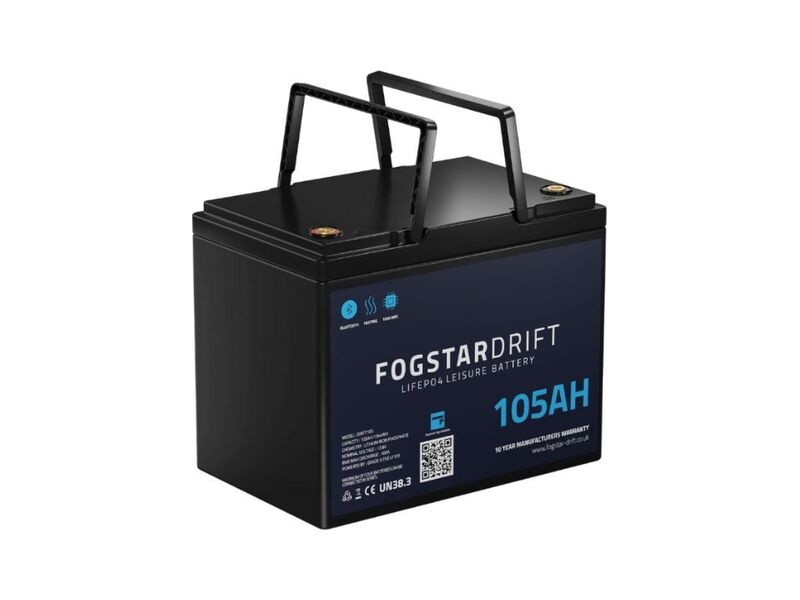
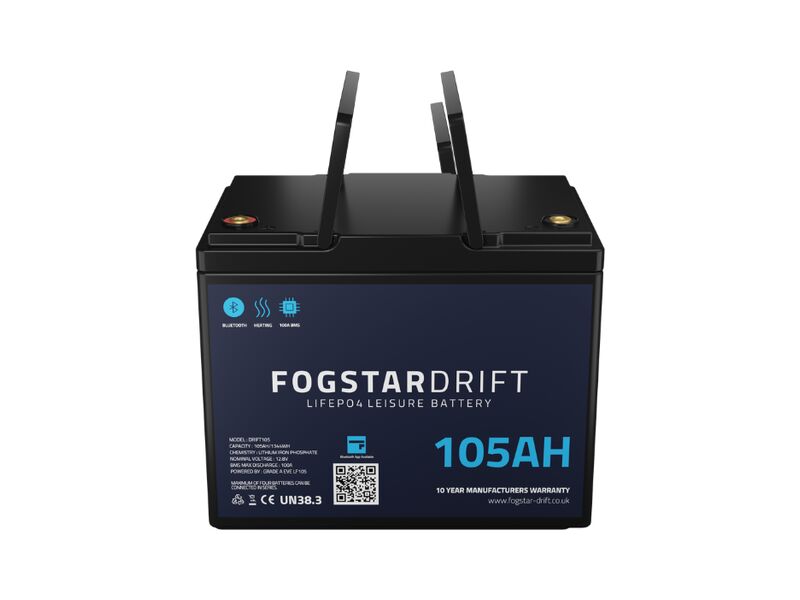
Fogstar Drift 12V 105Ah
$431.99 (3)
105Ah of compact lithium storage (22 lb / 10 kg) with built-in Bluetooth and heating, on Grade A EVE cells: the Fogstar Drift, ideal for a small van.
- Capacity: 105Ah, about 1,280Wh (12V LiFePO4)
- Cells: Grade A EVE LF105K, 100A JBD BMS
- Monitoring: Bluetooth (Fogstar Drift app)
- Heating: Automatic (charging in cold weather)
- 105Ah, just 22 lb (10 kg), heating and Bluetooth, 10-year warranty
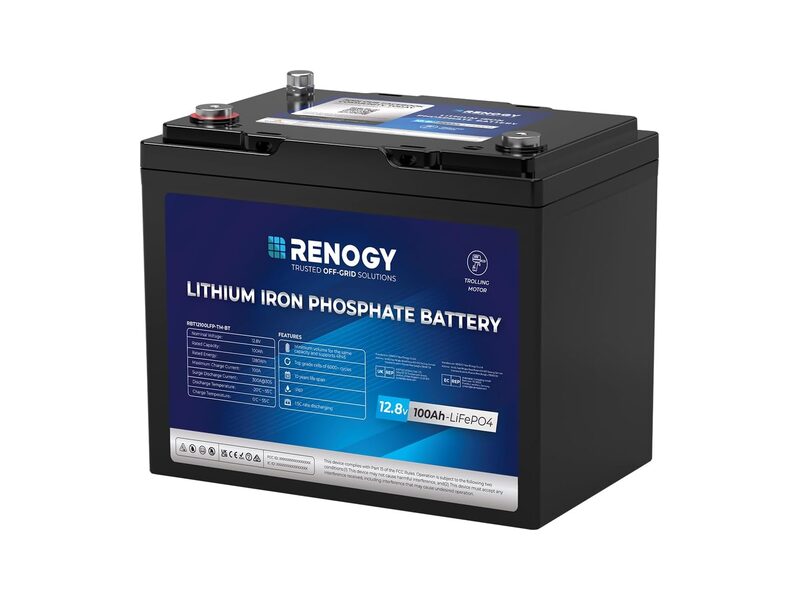
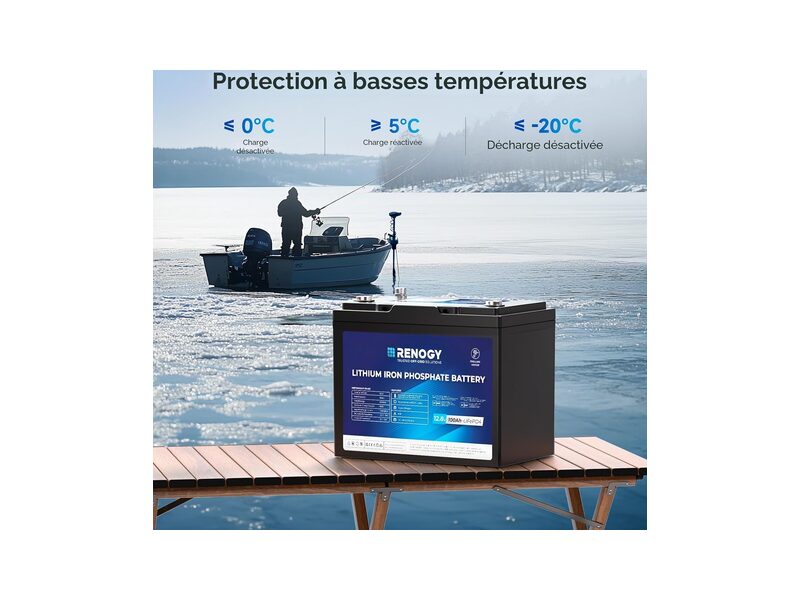
Renogy 100Ah 12V Battery
See price and availability
1280Wh of lithium storage with a 150A BMS, 6000 cycles and Bluetooth monitoring: the Renogy 100Ah 12V battery is the ideal heart of a solar kit, RV or boat.
- Capacity: 100Ah / 1280Wh (12V LiFePO4)
- BMS: Up to 150A discharge
- Lifespan: Over 6000 cycles
- Monitoring: Bluetooth (Renogy app), IP67
- 100Ah lithium, 6000 cycles and Bluetooth monitoring
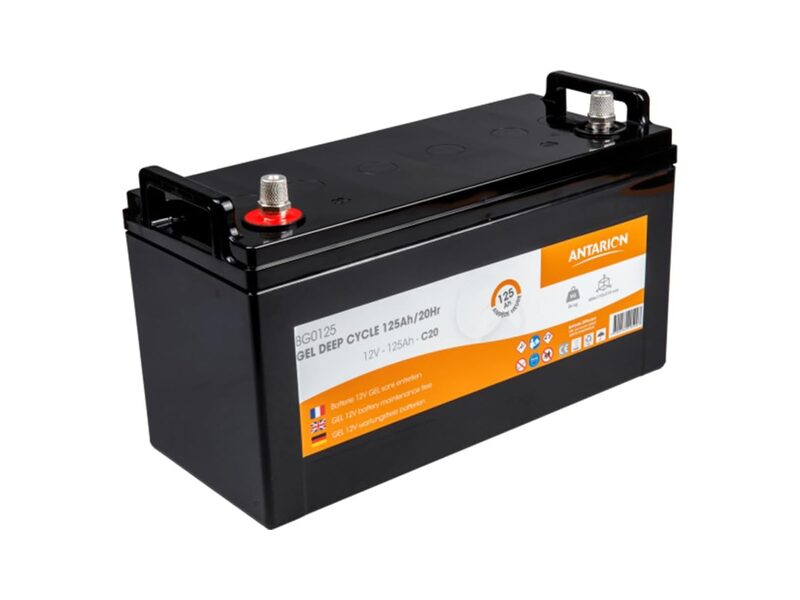
Antarion 125Ah Gel battery
$350.67
125Ah of maintenance-free runtime: the sealed, rugged 12V Gel battery, built for motorhomes and leisure, that takes regular discharges without weakening.
- Capacity: 12V 125Ah (Gel)
- Technology: Gel electrolyte, monobloc
- Cycles: 1000 cycles at 50% depth of discharge
- Maintenance: Maintenance-free, sealed
- 125Ah Gel, maintenance-free, rugged
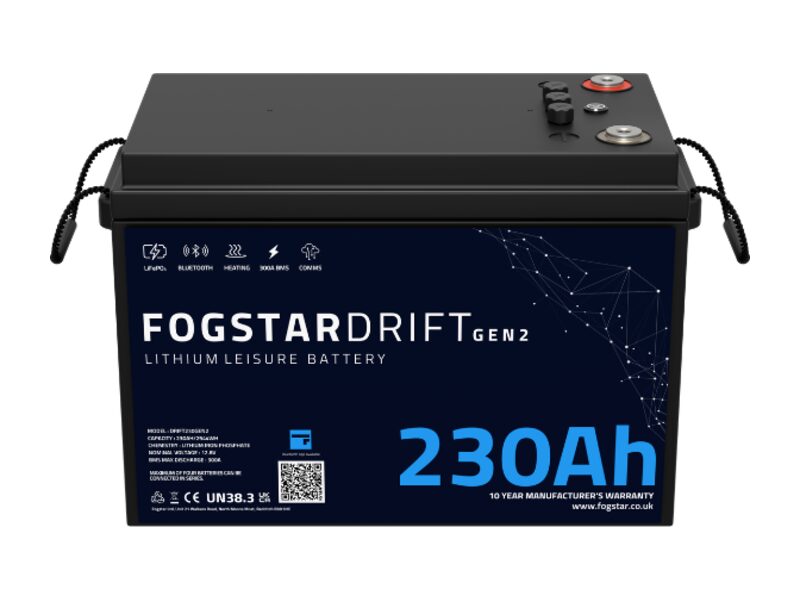
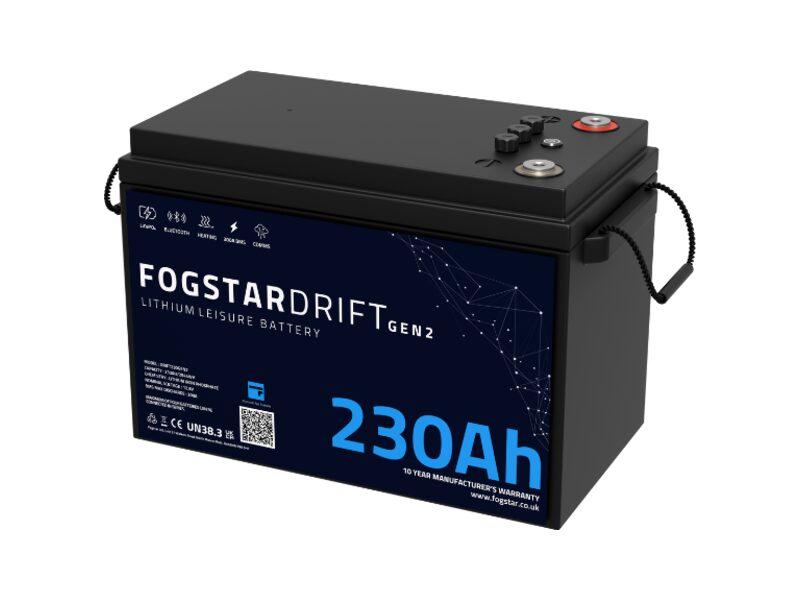
Fogstar Drift 12V 230Ah
$866.55
230Ah of lithium storage with built-in Bluetooth and heating, on Grade A EVE cells: the Fogstar Drift is a premium leisure battery for vans and boats.
- Capacity: 230Ah / about 2944Wh (12V LiFePO4)
- Cells: Grade A EVE, 300 A BMS
- Monitoring: Bluetooth (Fogstar Drift app)
- Heating: Automatic (charging in cold weather)
- 230Ah, Bluetooth and heating, Grade A cells
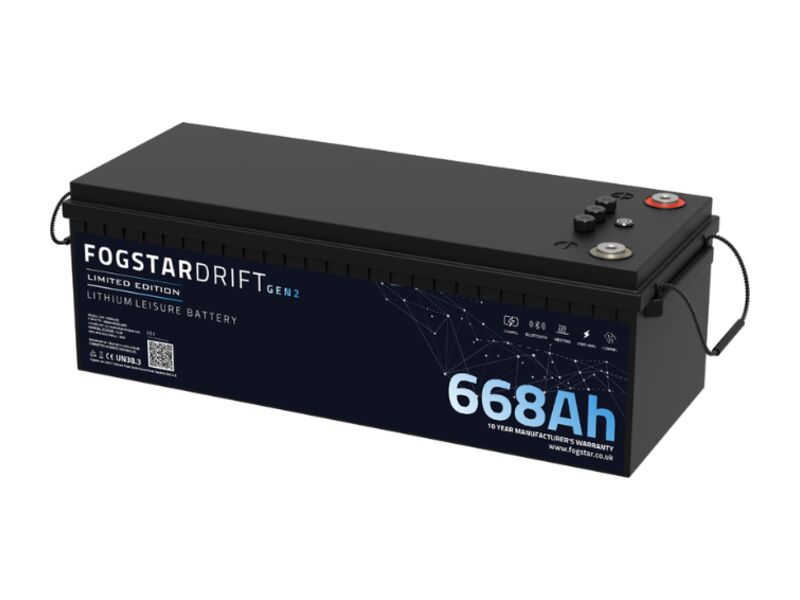
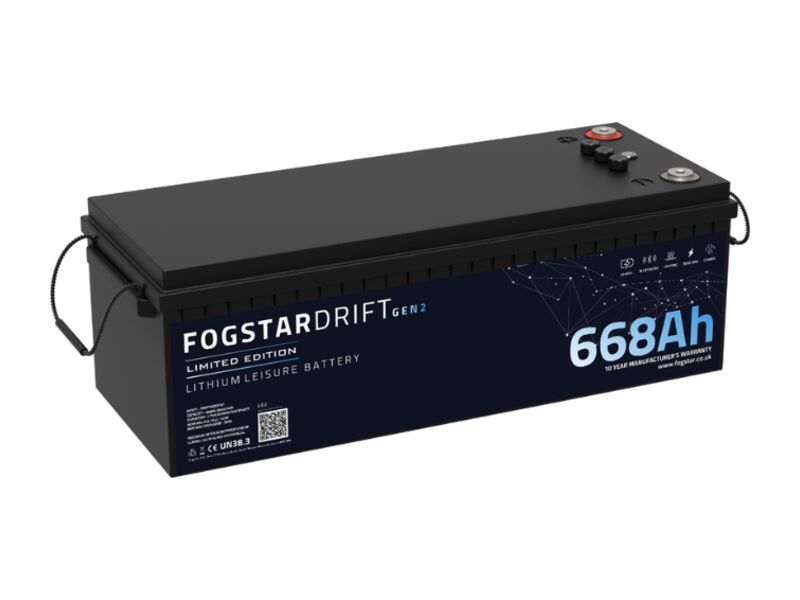
Fogstar Drift 12V 668Ah
$1424.99
668Ah of flagship lithium (8550Wh) on Grade A EVE cells, with built-in heating and Bluetooth: the top of the standard Drift range, backed by a 10-year warranty.
- Capacity: 668Ah, about 8550Wh (12.8V LiFePO4)
- Cells: Grade A EVE LF334, 300A Smart BMS
- Monitoring: Bluetooth (Fogstar Drift app)
- Safety: Automatic heating and fire suppression
- 668Ah flagship, heating and Bluetooth, 10-year warranty
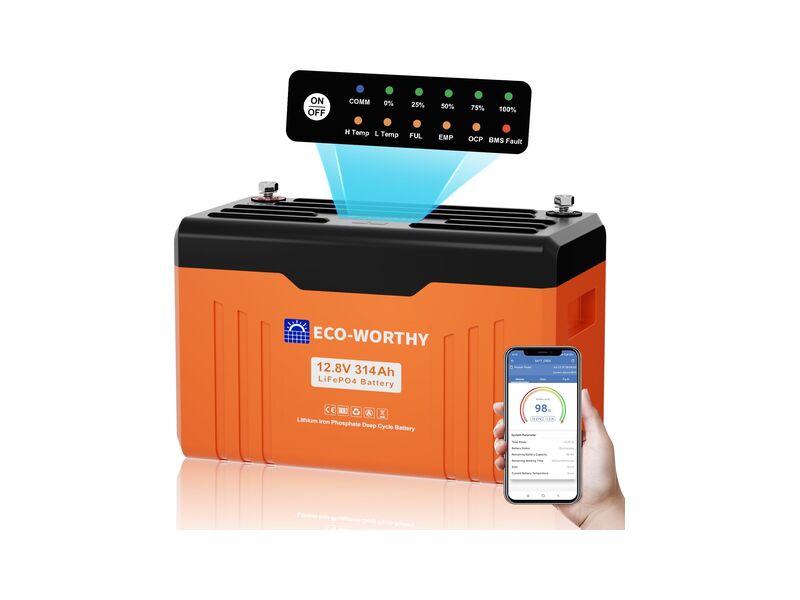
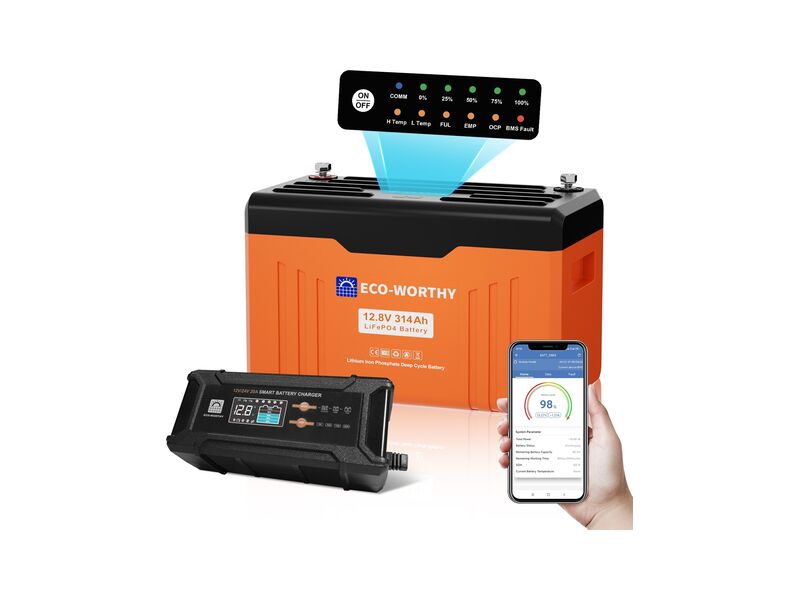
Eco-Worthy EnergyTrek 314Ah LiFePO4 Bluetooth Battery
$629.99 $499.99
A 314Ah lithium battery expandable up to 32kWh and monitored over Bluetooth, giving serious range to an RV, a boat, or a home solar setup.
- Capacity: 314Ah / 4019Wh (12.8V LiFePO4)
- BMS: Intelligent 200A, fire-resistant case
- Expandable: Up to 32.15kWh (4P2S/2P4S)
- Weight: 62.6 lbs (16.3 x 8.5 x 10.2 in)
- Bluetooth, expandable to 32kWh, fire-resistant case
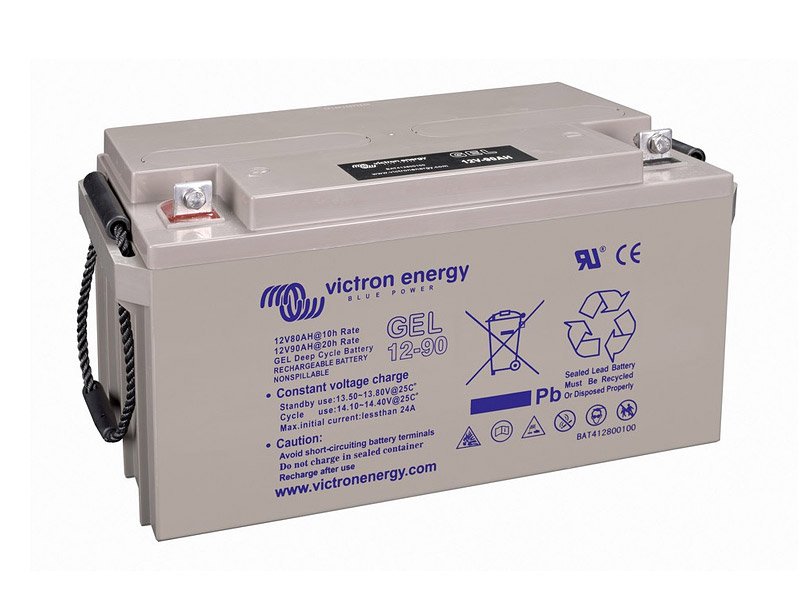
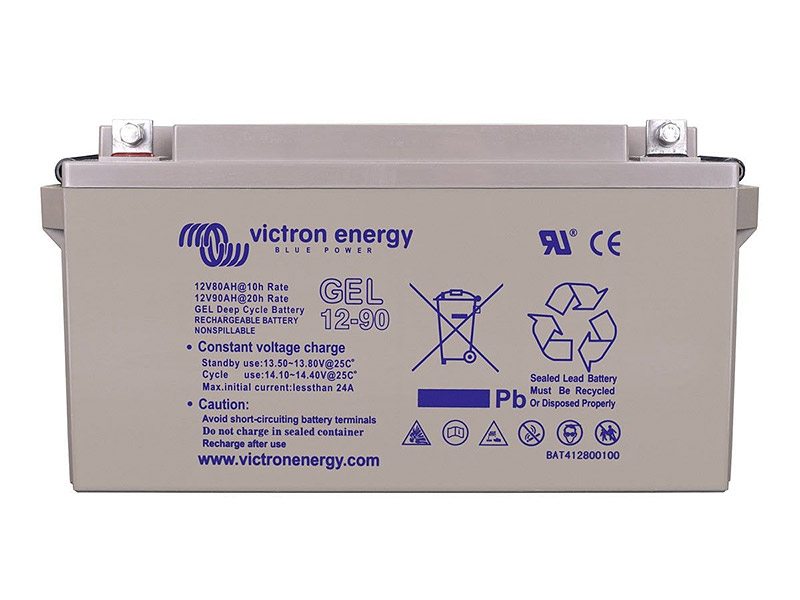
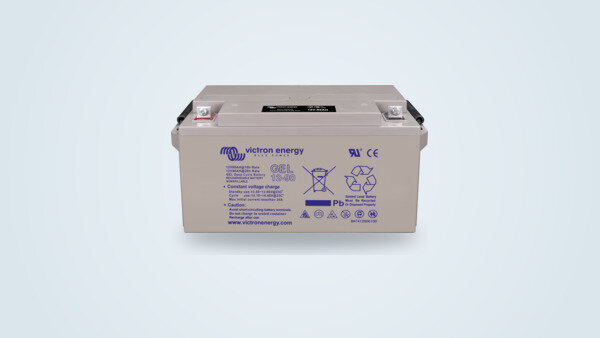
Victron Energy Gel Battery 12V/90Ah
$242.25
This Victron gel battery is sealed and maintenance-free with a long service life, sold in the US through specialty solar dealers, not Amazon.
- Capacity: 90 Ah (C20), 80 Ah (C10)
- Voltage / Type: 12 V / Gel VRLA
- Service life: Up to 12 years
- US channel: Specialty solar dealers, not Amazon
- Sealed gel VRLA, sold via US solar dealers
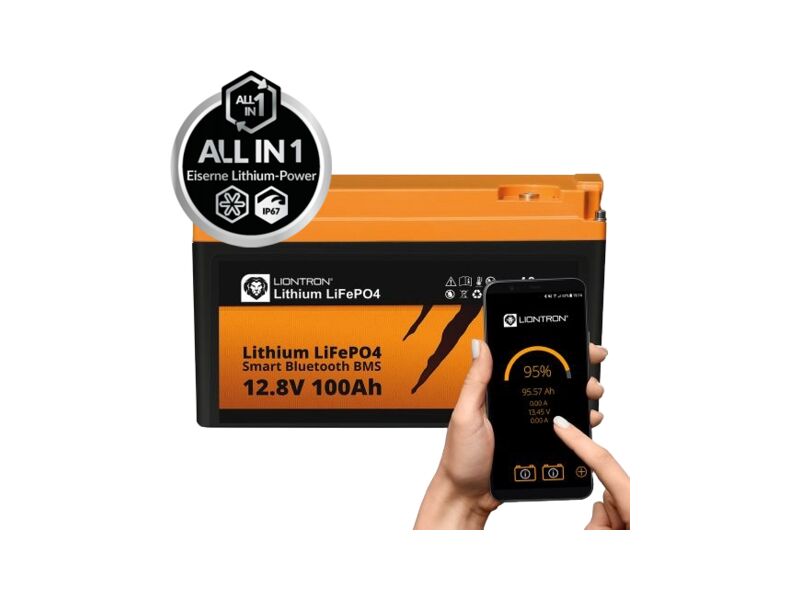

Liontron LiFePO4 100Ah LXArctic Marine
$1137.00
Charges down to -22 °F (-30 °C) thanks to its built-in heating, and shrugs off water thanks to marine-rated IP67 sealing: the Liontron 100Ah Arctic runs year-round.
- Capacity: 100 Ah, 1,280 Wh (12.8V LiFePO4)
- Heating: Automatic, charging possible down to -22 °F (-30 °C)
- Sealing: IP67 marine-rated, submersion detection
- Monitoring: Bluetooth 4.0, up to 4 batteries in parallel
- Built-in -22 °F (-30 °C) heating and marine IP67 sealing combined
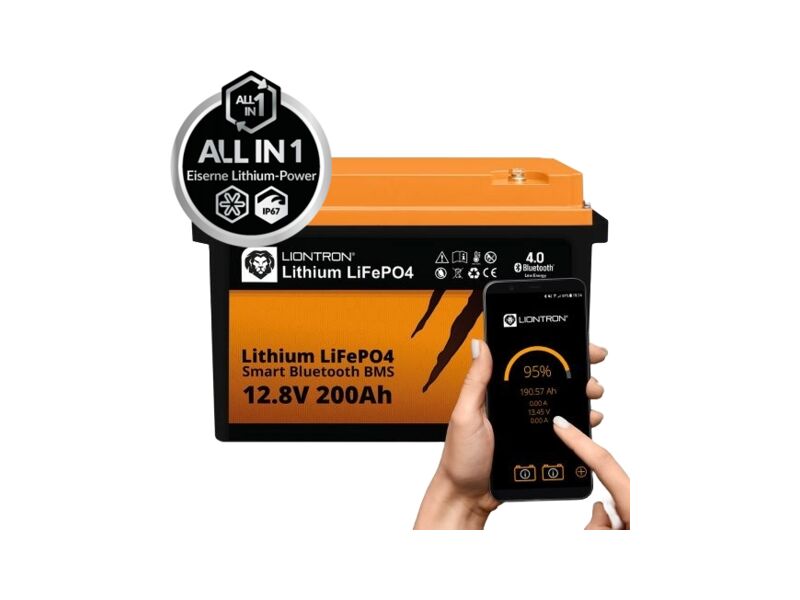
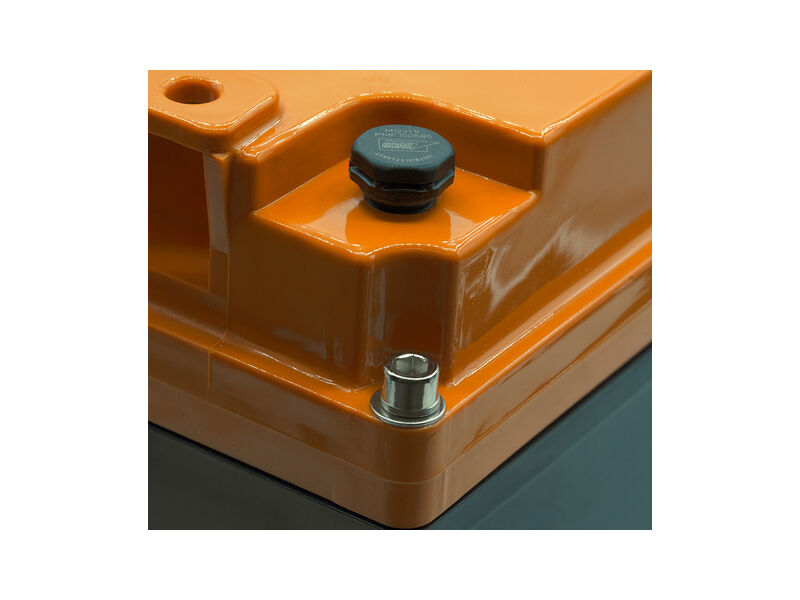
Liontron LiFePO4 200Ah LXArctic Marine
$2229.00
2,560 Wh that can charge down to -22 °F (-30 °C) and shrug off water thanks to marine IP67 sealing: the Liontron 200Ah LXArctic targets big setups that can't afford downtime.
- Capacity: 200 Ah, 2,560 Wh (12.8V LiFePO4)
- Heating: Automatic, charging possible down to -22 °F (-30 °C)
- Sealing: IP67 marine-rated, submersion detection
- Monitoring: Bluetooth 4.0, up to 4 batteries in parallel
- 2,560 Wh with -22 °F (-30 °C) heating and marine sealing combined
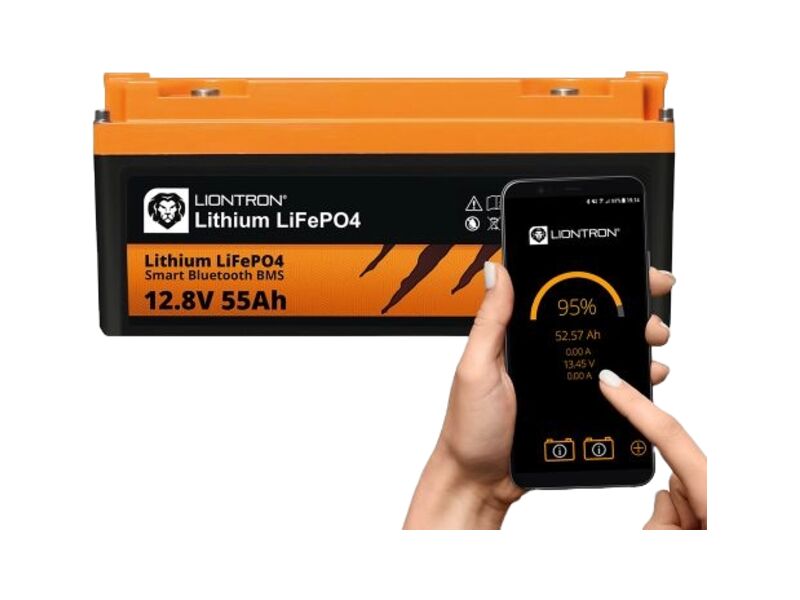
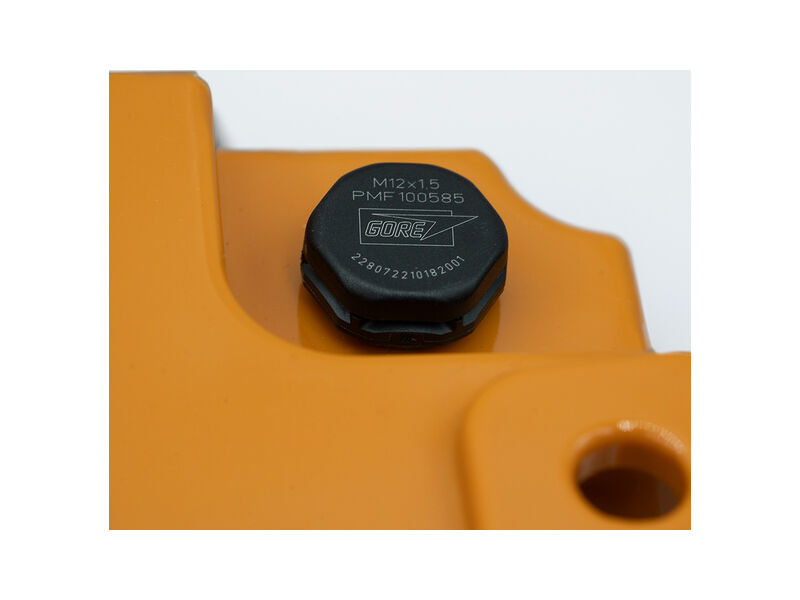
Liontron LiFePO4 55Ah Marine IP67
$675.00
IP67 sealed with submersion detection, 55 Ah for just 21.4 lb (9.7 kg): the Liontron Marine replaces a far heavier lead-acid battery in a small van or light boat.
- Capacity: 55 Ah, 704 Wh (12.8V LiFePO4)
- Weight: Just 21.4 lb (9.7 kg)
- Sealing: IP67 marine-rated, submersion detection
- Monitoring: Bluetooth 4.0, up to 4 batteries in parallel
- 55 Ah marine-sealed at 21.4 lb (9.7 kg), 7-year warranty
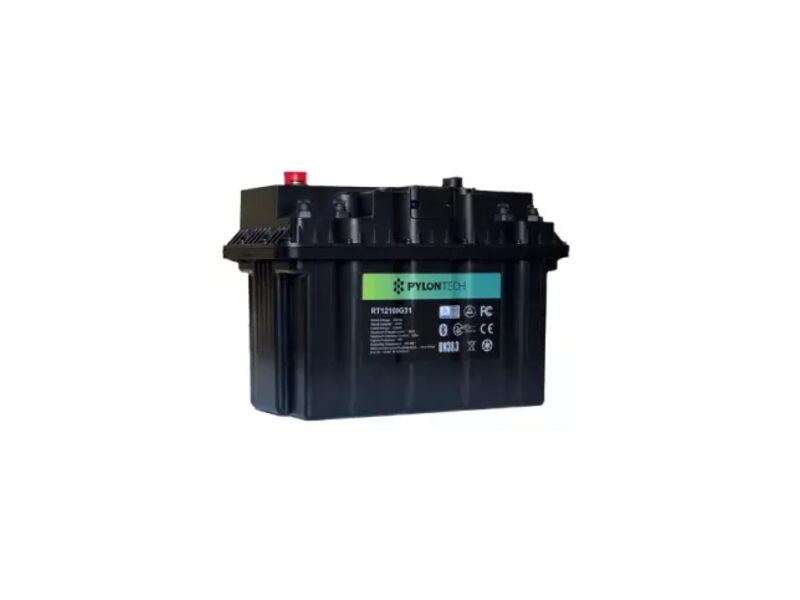
Pylontech RT12100 12V 100Ah
$1100.00
A direct replacement for an AGM or lead-acid battery, the Pylontech RT12100 (12V, 100Ah) has heating down to -40 °F (-40 °C), IP67 and Bluetooth built in.
- Capacity: 100Ah, about 1,280Wh (12V LiFePO4)
- Sealing: IP67 with built-in heating pad
- Monitoring: Bluetooth, Pylontech Auto app
- Warranty: 5 years (10 years with registration)
- Heating down to -40 °F (-40 °C), IP67, Bluetooth
Related questions
LiFePO4 wins on a fixed installation: 3,000 to 4,000 cycles against 500 to 1,000, no thermal drift and a stable voltage down to 90 per cent discharge. NMC lithium-ion only keeps the edge on weight and bulk, which matters for genuinely portable use.
With a charger or controller set to the LiFePO4 profile, absorbing at 14.2 to 14.6 V for a 12 V bank, and without a prolonged float stage. A classic lead-acid charger will undercharge it or hold it at voltage needlessly. The built-in BMS protects against overcharge, but it does not replace a correct charge profile.
Yes in most installations, on three conditions: adapt the charger profile, check that the alternator or controller copes with the higher inrush current, and check the dimensions, since LiFePO4 is more compact. The gain is clear: 100 Ah of LiFePO4 gives as much usable energy as 200 Ah of lead, at half the weight.
A 400 watt panel produces 1.4 to 1.8 kWh on a good summer day. To store that output without clipping it you need at least 150 Ah at 12 V (1.9 kWh). Below 100 Ah the battery saturates by midday and the energy is lost. Rule of thumb: 25 to 40 Ah of 12 V storage per 100 watts of panel.
It discharges happily down to -20 °C, but it must not be charged below 0 °C: that causes metallic lithium plating which destroys the cells irreversibly. Models aimed at vans and boats therefore include internal heating or a cold charge cut-off managed by the BMS.
A LiFePO4 accepts 80 to 90 per cent discharge without harm, against 50 per cent at most for a lead-acid battery if you want to preserve its life. That is why you should always compare genuinely usable energy, not the raw capacity printed on the label.