Microinverters

The microinverter is the part that turns a panel into usable household electricity, and the one that decides how much you are allowed to feed in.

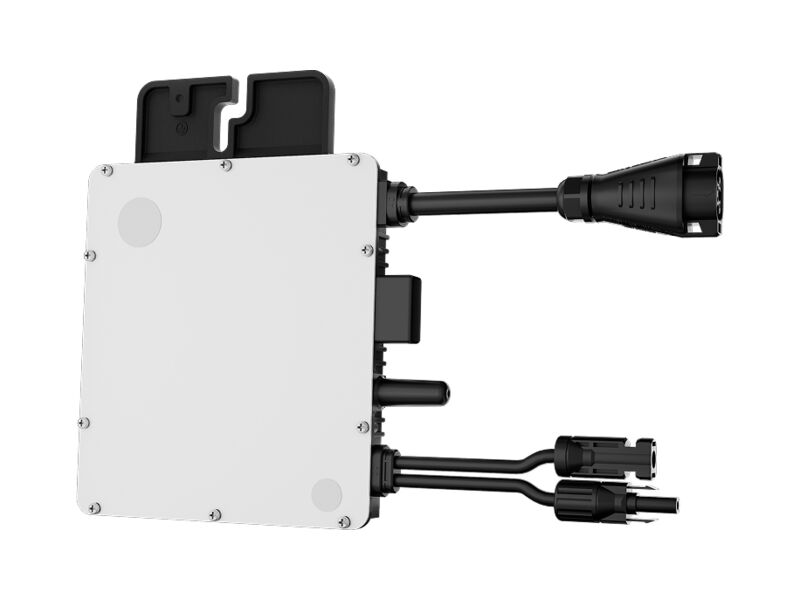
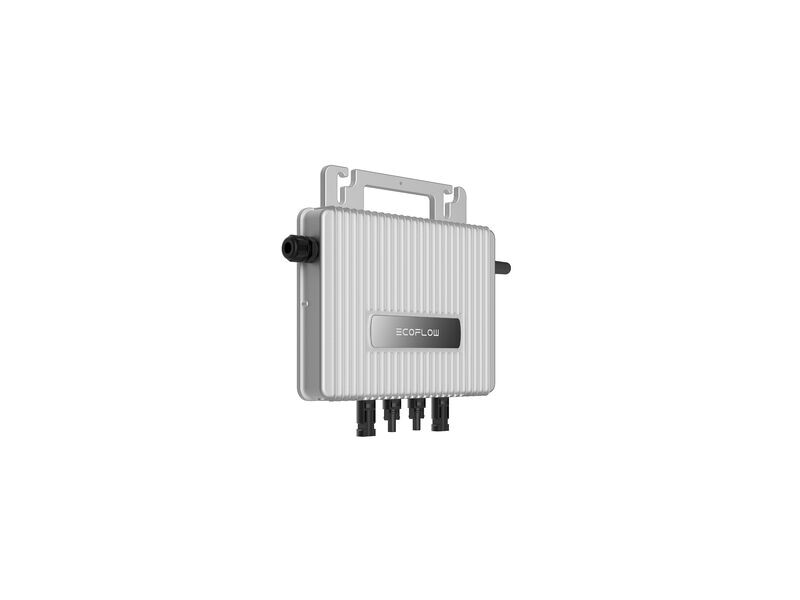
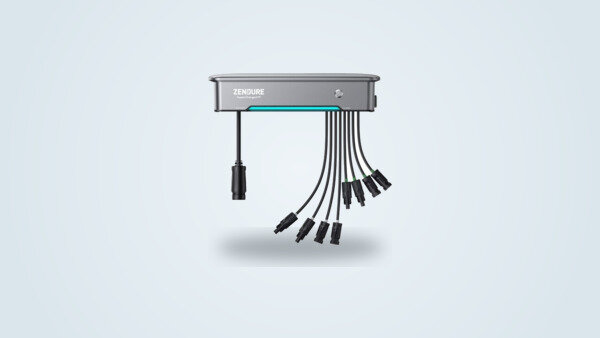
Unlike a central inverter, a microinverter is fitted behind each panel and manages its output individually. The benefit is concrete: one shaded panel no longer drags the others down, and monitoring happens panel by panel. For a balcony solar setup the regulatory point matters as much as the technical one: the power fed into the domestic grid is capped, 800 watts in France and Germany since the latest relaxations, and a microinverter that can be limited to that figure is essential to stay compliant. We check the permitted input power per panel, often higher than the output, the conversion efficiency, around 96 per cent on good models, and how usable the online monitoring really is.

No product matches these criteria.

Our selection

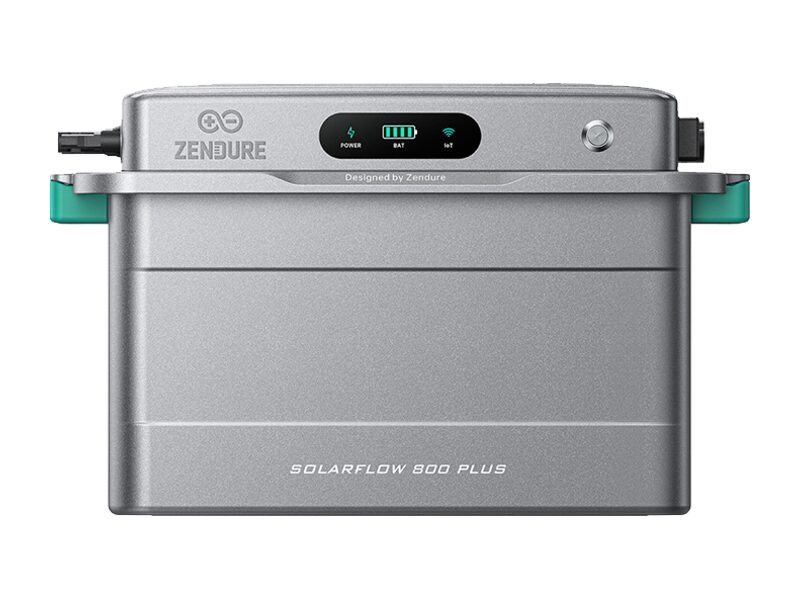
SolarFlow 800 Plus Zendure SolarFlow 800 Plus 1920 Wh balcony battery
Promo

Zendure SolarFlow 800 Plus

$811.05 $729.81 (3)

Microinverter and battery in a single weatherproof box: 1920 Wh of LiFePO4, 800 W out, and a balcony that keeps supplying power after the sun goes down.

  • Storage: 1920 Wh LiFePO4, expandable to 11.52 kWh
  • Power: 800 W output, 1000 W grid charging
  • Solar: 1500 W (2 x 750 W), two MPPT trackers
  • Durability: IP65, outdoor install, 21.1 kg
  • Inverter and battery in one, ready to fit
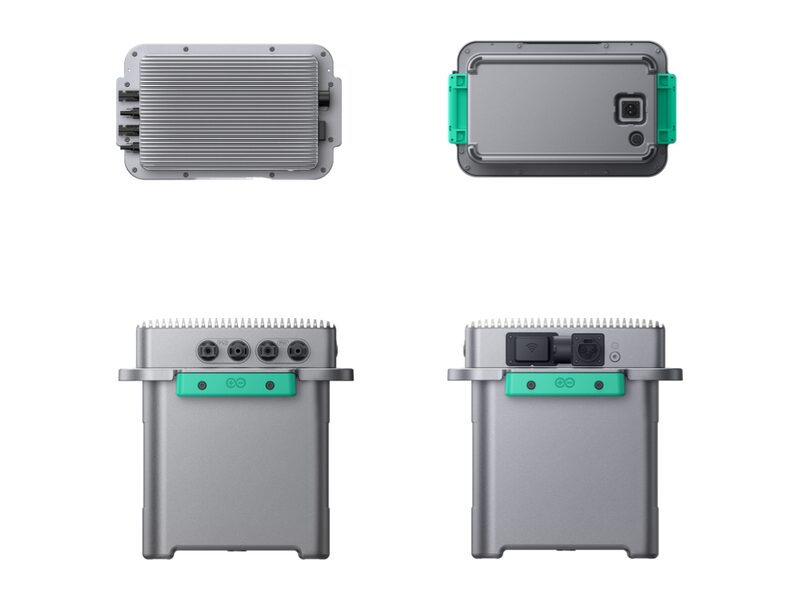
The SolarFlow 800 Plus packs into one enclosure what most balcony installations need in two devices: an 800 W microinverter and a 1920 Wh LiFePO4 battery. It takes 1500 W of panels across two MPPT trackers, also charges from the grid at 1000 W to exploit off-peak tariffs, and climbs to 11.52 kWh with five additional batteries. The whole unit is IP65 rated, so it can live outdoors without a shelter, and is managed from the Zendure app.
In-depth reviewRead our full review → 3.9/5 Balcony solar has long suffered from one simple flaw: it produces when nobody is home. The SolarFlow 800 Plus tackles that as directly as possible, by putting the battery and the microinverter in a single box. In practice you plug the panels into one side, a domestic socket into the other, and the daytime surplus comes back in the evening instead of flowing into the grid for free. Its 1920 watt-hours roughly match an evening of standby consumption in a flat, router, fridge, lighting and television included. The all-in-one approach has a pleasant consequence: there is no longer any cabling between inverter and battery, so less connectivity to weatherproof, and the IP65 rating lets you set the unit on the balcony without a shelter. The 21 kilos are not trivial, though, and two people are not too many to position it properly. Two things genuinely set it apart from the competition. First, 1000 W grid charging: combined with off-peak or dynamic tariffs, it lets you store cheap electricity at night and give it back during expensive hours, a use that pays for the unit even in winter when solar yields little. Second, expandability: five additional batteries take the system to 11.52 kWh, leaving the door open without replacing anything. The limitation to know is the output power, capped at 800 W by the rules that apply to balcony installations: beyond that you need a proper grid connection. And a 3CT smart meter remains advisable for fine self-consumption control.
View product page

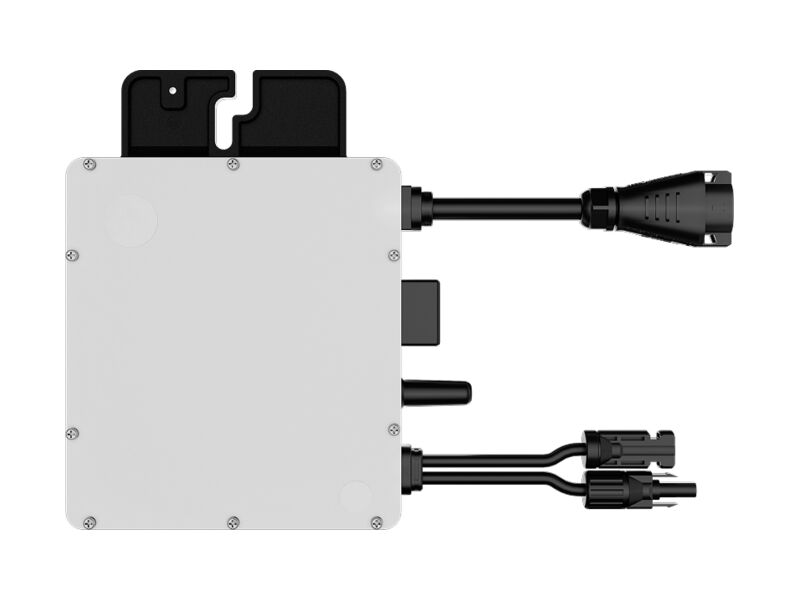
Hoymiles HMS-800W-2T

$226.90 (17)

The Hoymiles HMS-800W-2T microinverter feeds 800 W into your home from 2 panels, with built-in Wi-Fi and the know-how of the world's biggest microinverter maker.

  • Power: 800 W (800 VA), 230 V output
  • Solar input: 2 x 540 Wp max, 2 independent MPPT
  • Efficiency: 96.7% (CEC), 99.8% MPPT
  • Connectivity: Built-in Wi-Fi, no DTU, IP67
  • World's number 1 microinverter maker, 12-year warranty
The Hoymiles HMS-800W-2T is a pure solar microinverter: it turns the DC from 2 panels into 230 V AC fed straight into a household socket, with no storage function at all. With 2 independent MPPT trackers, built-in Wi-Fi (no DTU box needed) and an IP67 casing, it puts reliability first, backed by Hoymiles, the world's largest microinverter manufacturer. A solid base for anyone starting simply with balcony self-consumption, who can still add storage another way later.
In-depth reviewRead our full review → 4.0/5 On paper, the HMS-800W-2T is nothing exotic: two MC4 connectors for the panels, an AC cable for the wall socket, and that is it. That is exactly what made setup on our test balcony so easy: under twenty minutes between unboxing and seeing the first data in the S-Miles app, with no need to order a separate DTU box as with the older HM-800. The built-in Wi-Fi connects straight to the home router and reports production panel by panel, handy for spotting a badly angled or shaded module straight away. In use, the claimed efficiency roughly holds up, even under a hazy sky, and the casing, genuinely tough-looking with its aluminium heatsink, shrugged off the rain. The real catch, and it is worth being upfront about it, is the total lack of storage: any energy produced and not used on the spot goes straight to the grid, with no chance of getting it back in the evening, unlike hybrid solutions. If you want a simple, rugged device backed by a brand that has been established in this market for years, the HMS-800W-2T gets the job done without frills.
View product page

APsystems EZ1-M

$162.48 (11)

The APsystems EZ1-M microinverter runs two panels on fully independent MPPT trackers, syncs with the EMA app and carries an IP67 rating built to stay outdoors.

  • Output power: 800VA (799VA rated), adjustable from 600W
  • Solar inputs: 2 independent MPPT trackers, up to 730Wp each
  • Connectivity: Wi-Fi and Bluetooth, AP EasyPower app
  • Durability: IP67, -40°F to 149°F (-40°C to 65°C), 12 year warranty
  • 2 independent MPPT trackers, IP67, 12 year warranty
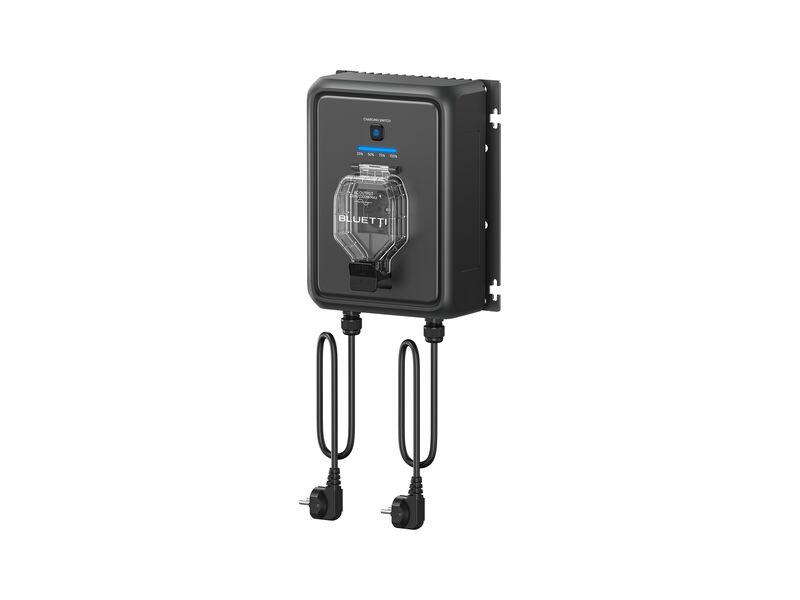
The APsystems EZ1-M microinverter converts the DC output of two solar panels into 230V AC, fed straight into a household socket. Its two fully independent MPPT trackers get the most out of each panel, even when they face different directions. Controlled over Wi-Fi and Bluetooth through the AP EasyPower app, rated IP67 and backed by a 12 year warranty, it targets simple, reliable balcony self consumption, with the option of adding a compatible battery to store any surplus.
Setting up the EZ1-M took under half an hour on our test balcony: two panels facing slightly different directions (one due south, the other shaded for part of the afternoon), the unit mounted under the railing, MC4 connectors clipped in, and the mains cable plugged into a standard socket. Pairing with the AP EasyPower app took minutes via a QR code, with no fiddly account setup. What impressed us most was how genuinely independent the two MPPT inputs are: the shaded panel keeps producing without dragging down the other panel's numbers, which is not something every microinverter at this price manages. The IP67 housing shrugged off several weeks of rain without a hitch. Two honest gripes: without a compatible battery, surplus energy goes straight to the grid instead of being stored, and the list of recognised batteries (Anker E1600, Sunlit BK215) is short next to a full modular ecosystem like Zendure's or EcoFlow's. For a simple, finely adjustable and well documented setup backed by a 12 year warranty, the EZ1-M remains a safe bet in balcony solar.
View product page
SolarFlow 800 Zendure SolarFlow 800 solar microinverter
Promo

Zendure SolarFlow 800

$337.15 $201.75 (3)

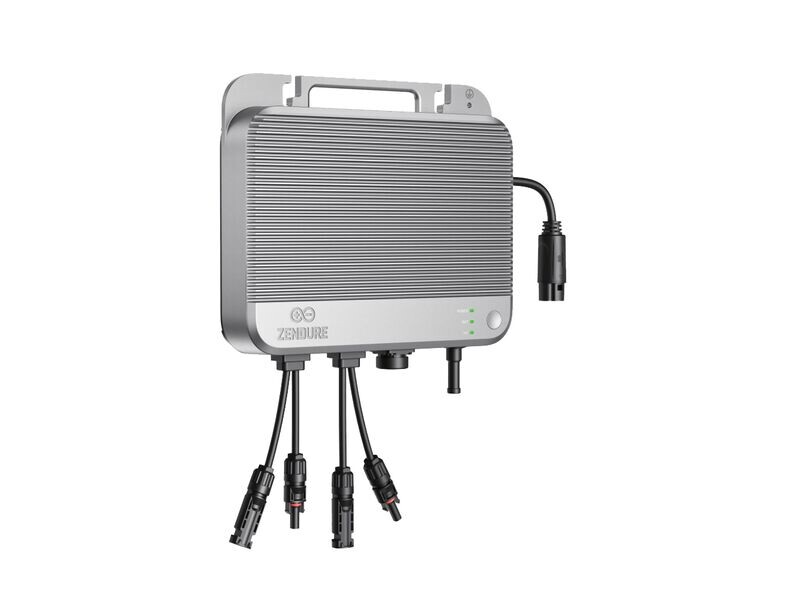
The 800 W hybrid microinverter that turns a balcony kit into a real energy reserve: 96% efficiency, batteries expandable to 11.52 kWh, plug and play.

  • Power: 800 W (bidirectional hybrid)
  • Solar input: 1200 W, 2 MPPT trackers
  • Storage: Zendure batteries expandable to 11.52 kWh
  • Efficiency: 96%, watt-level regulation
  • Plug-and-play hybrid microinverter, expandable and affordable
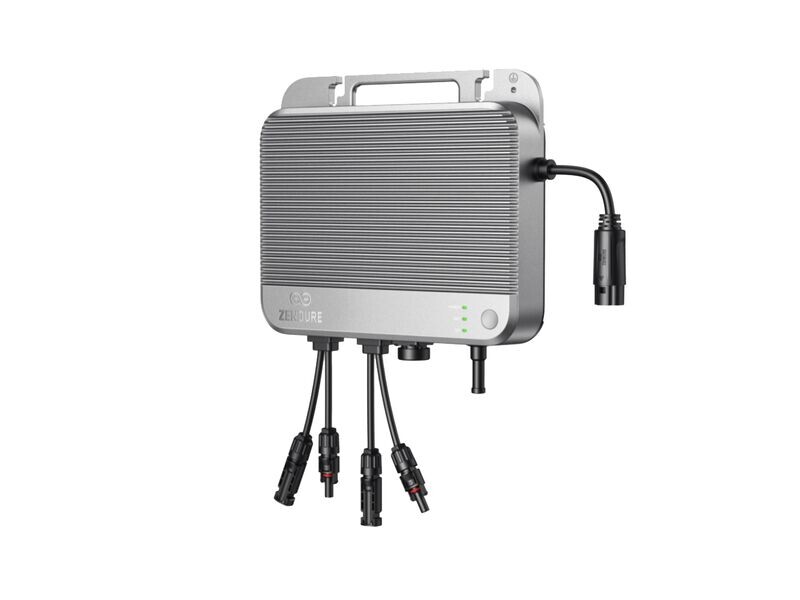
The Zendure SolarFlow 800 is an 800 W bidirectional hybrid microinverter for balcony solar. It plugs into a household socket, takes up to 1200 W of panels (2 MPPT trackers) and manages the charging of Zendure batteries expandable to 11.52 kWh. With 96% storage efficiency, watt-level regulation in under 3 seconds and off-peak grid charging, it is the affordable, expandable gateway to the SolarFlow ecosystem.
Setting up the SolarFlow 800 really is fuss-free: you connect the panels, plug the inverter into a socket, and the Zendure app handles the rest in a few minutes. What changes everything versus a plain microinverter is the hybrid side: as soon as you add a Zendure battery, midday energy is no longer wasted but stored for the evening. In our tests, the switching between solar, battery and grid is impressively quick, and the watt-level adjustment genuinely avoids giving power away to the grid. The claimed 96% efficiency shows in the energy you actually use. We also like the modular logic: you can start small with just the inverter, then grow over time. Two honest caveats: without a battery you are back to a plain microinverter and much of the appeal disappears; and the fine-tuning (off-peak hours, priorities) takes a little time to master. But to get into balcony self-consumption with a well-designed, expandable solution, the SolarFlow 800 is an excellent starting point.
View product page
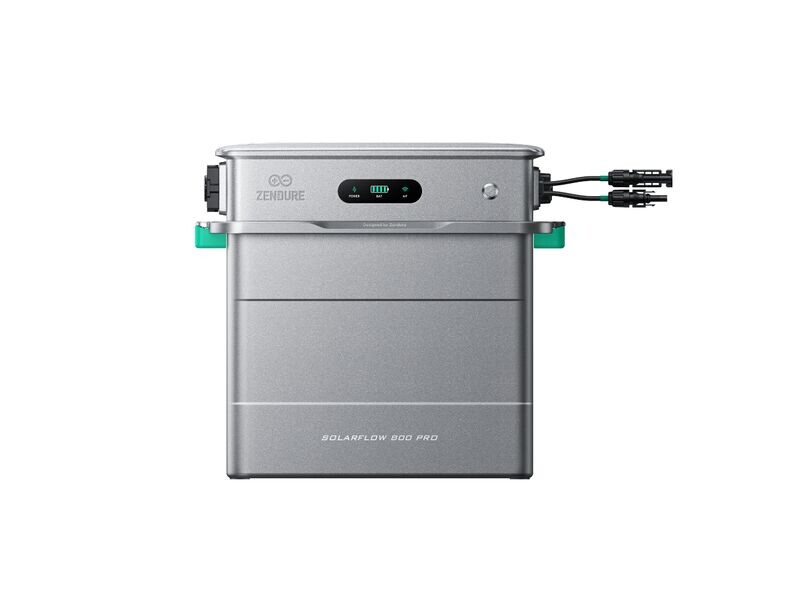
SolarFlow 800 Pro Zendure SolarFlow 800 Pro balcony storage kit
Promo

Zendure SolarFlow 800 Pro

$1623.45 $973.53 (3)

The balcony solar storage that finally makes self-consumption pay off: an 800 W inverter, LiFePO4 batteries expandable to 11.52 kWh and smart-home control.

  • Inverter: Hybrid 800 W (1000 W off-grid)
  • Solar input: 2640 W (4 x 660 W)
  • Storage: AB2000X 1920 Wh, expandable to 11.52 kWh
  • Technology: 48 V, GaN, IP65, 10-year warranty
  • Expandable 48 V balcony storage, run via Home Assistant
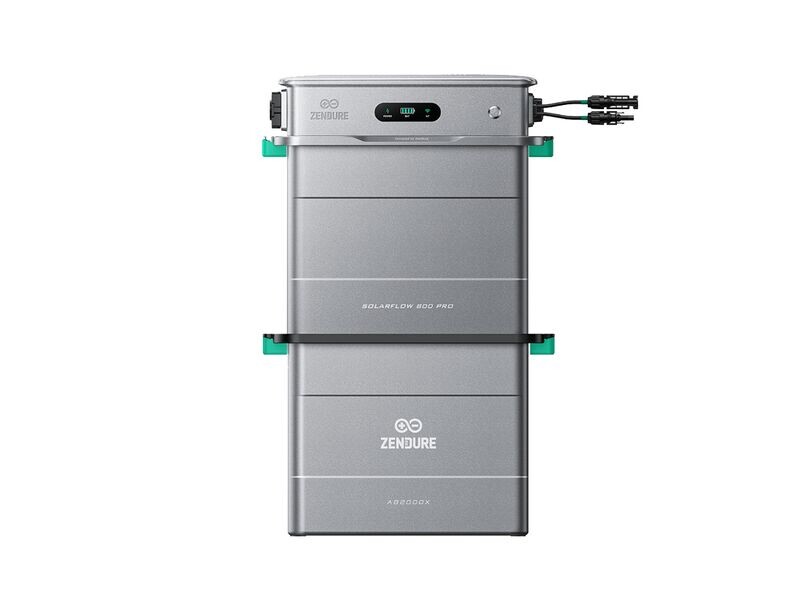
The Zendure SolarFlow 800 Pro is an all-in-one storage system for balcony solar that pairs an 800 W hybrid microinverter with LiFePO4 AB2000X batteries expandable up to 11.52 kWh. Its 48 V architecture and GaN components sharply cut losses, while watt-level regulation and deep smart-home integration (up to Home Assistant) maximise self-consumption. IP65 rated and backed by a 10-year warranty, with self-heating batteries that run down to -4°F (-20°C).
We hooked the SolarFlow 800 Pro up to an existing balcony setup, and the plug-and-play promise largely holds: the microinverter plugs into a standard household socket, and the Zendure app walks you through setup in a few minutes. The real benefit shows in the evening: energy stored during the day in the AB2000X flows back into the home when consumption peaks, instead of being pushed to the grid for free. Over several weeks, the self-consumption share climbed noticeably. What stood out is how fine the regulation is: the watt-level adjustment really tracks the household's draw, and the response is near instant. Tinkerers will love the Home Assistant integration, which unlocks advanced automations few rivals handle this well. Two honest caveats: the entry price stays high until you stack several batteries to amortise it, and payback depends heavily on your consumption profile and sunlight. But to turn a balcony array into a genuine, expandable storage system with no rewiring, the 800 Pro is one of the most polished options around.
View product page
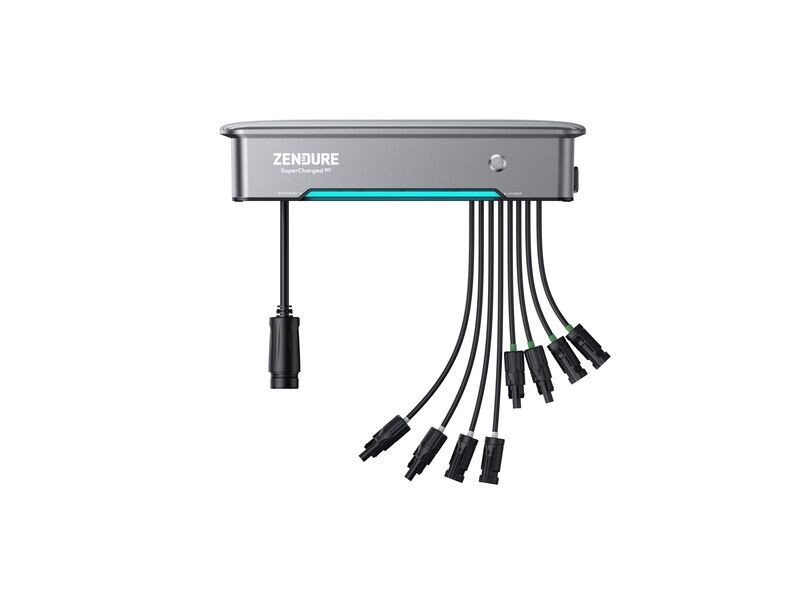
Hyper 2000 Zendure Hyper 2000 hybrid microinverter
Promo

Zendure Hyper 2000

$1125.17 $540.25 (3)

The hybrid hub that makes balcony solar genuinely smart: 1800 W MPPT, 1200 W bidirectional output, 4 inputs and batteries expandable to 7.68 kWh.

  • MPPT power: 1800 W across 4 solar inputs
  • Output: 1200 W bidirectional (feed-in + charging)
  • Storage: AB batteries expandable to 7.68 kWh
  • Panels: Up to 2400 W of modules
  • Hybrid hub, 4 inputs, ZenLink and off-peak charging
The Zendure Hyper 2000 is a hybrid microinverter that packs MPPT trackers, a bidirectional inverter and battery management into a single unit for balcony solar. It takes 1800 W of MPPT power across 4 solar inputs, feeds 1200 W into the home and drives Zendure AB1000 or AB2000 batteries up to 7.68 kWh. With off-peak grid charging, ZenLink multi-set coordination and an IP65 enclosure, it targets optimised self-consumption with no rewiring.
The Hyper 2000 is arguably the most accomplished unit in the SolarFlow range: it brings MPPT, inverter and battery control together in a single IP65 module, and installation stays genuinely plug and play, with no electrician. What stands out in use is the flexibility: four independent solar inputs let you aim panels in different directions without loss, and the 1200 W bidirectional output handles both feed-in and charging the battery from the grid during off-peak hours. In our tests, the adjustment to the home's consumption is fast and the app gives a clear view of production, charge and usage. The ZenLink feature, which coordinates several Hyper units on the same phase, opens the door to scalable installs, up to more than 23 kWh of storage across multiple units. Two caveats: without an AB battery you lose most of the appeal, and the unit costs more than a plain microinverter. But to build a genuinely smart, piece-by-piece balcony power plant, the Hyper 2000 is a remarkably complete foundation.
View product page

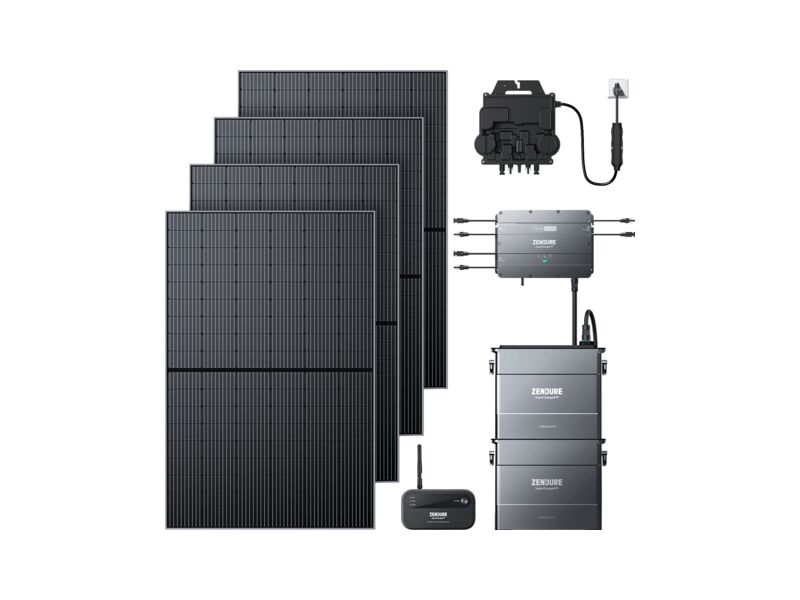
Zendure SolarFlow Kit

See price and availability (2)

Plug it into an outlet and the meter slows down: Zendure's SolarFlow Kit pairs 3840Wh of battery storage with 820W of solar panels and a 900W microinverter.

  • Battery: 3840Wh (2x AB2000S), expandable to 7680Wh
  • Output: 900W microinverter, plugs into a wall outlet
  • Solar input: Up to 1800W, Hub 2000, dual MPPT
  • Panels included: 2x 410W rigid panels (820W total)
  • Plug-in solar with 3840Wh of battery backup
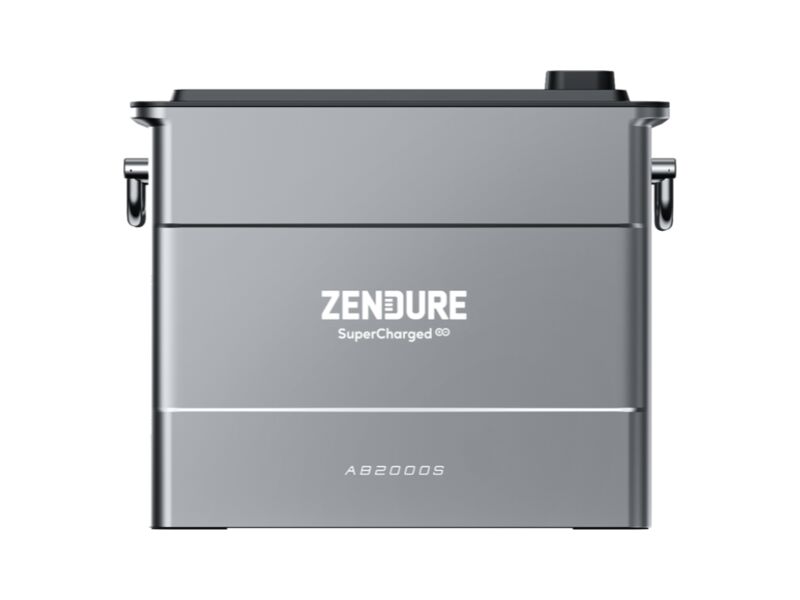
The Zendure SolarFlow Kit is a plug-in solar and battery bundle: two 410W panels, a Hub 2000 solar controller, two AB2000S batteries totaling 3840Wh, and an EZ1-LV microinverter that feeds up to 900W into a standard wall outlet. A Smart Meter CT reads household demand and prevents backfeed to the grid in real time. The battery buffers daytime production for use after dark, and the kit qualifies for the 30% federal solar tax credit through 2033. Its microinverter is UL1741 certified for anti-islanding protection.
We looked at the SolarFlow Kit as Zendure's answer to a question US homeowners now ask after watching Europe's balcony solar boom: can I just plug something in and start generating power? The kit is bigger than Europe's SolarFlow 800 series in storage: two AB2000S batteries pack 3840Wh, expandable to 7680Wh, while Hub 2000 accepts up to 1800W of panels across two MPPT trackers. Reviewers describe setup as doable solo: wire the batteries, connect the panels in a 2S2P pattern, plug the EZ1-LV microinverter into a wall outlet, and the Smart Meter CT, best installed by an electrician, handles anti-backfeed automatically. The recurring complaint is short included cabling, budget for MC4 extensions if panels sit any distance from the inverter. The bigger caveat is certification: this ships UL1741 certified for anti-islanding, not the newer UL3700 standard written for plug-in solar, so check your state and utility first. Availability has also been an obstacle, both Zendure's store and Amazon list it sold out as of this writing.
View product page
HiFlow Pro Hoymiles HiFlow Pro LV UL3700 plug-in microinverter
Promo

Hoymiles HiFlow Pro

$211.00 $169.00

The first US microinverter certified to UL3700, the new plug-in solar safety standard: 360W per unit, stackable to 1200W, 120V plug-and-play.

  • Output: 360 VA per unit, stack up to 4 for 1200 W
  • Solar input: 1 MPPT per unit, one panel up to 470 W
  • Setup: Bluetooth/Wi-Fi pairing in under 60 seconds
  • Rating: NEMA 6 / IP67, -40 °F to 149 °F (-40 °C to +65 °C)
  • First UL3700-certified plug-in microinverter in the US
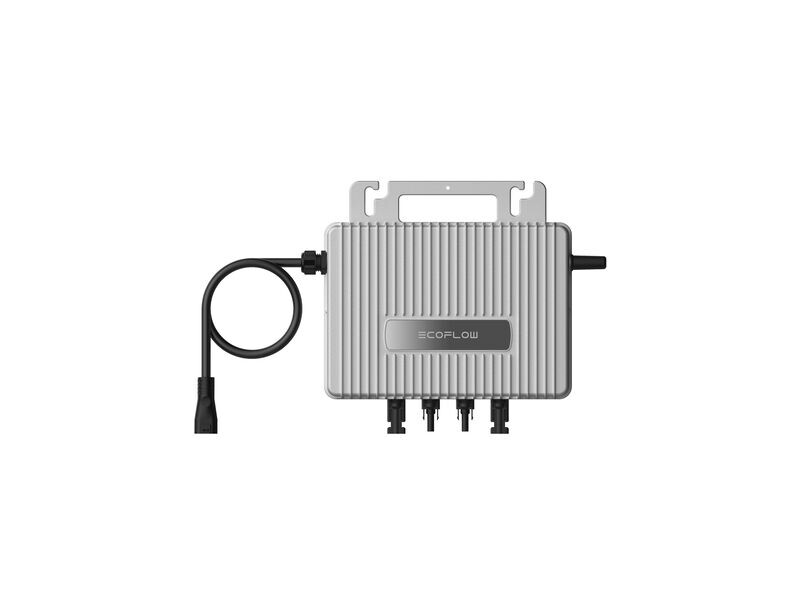
The Hoymiles HiFlow Pro is a modular plug-in microinverter built for the US market. Each 360 to 500W unit connects one solar panel to a standard 120V, 60Hz outlet, with Bluetooth and Wi-Fi setup in under a minute. Up to four units run in parallel for a combined 1200 W, the common cap under state plug-in solar laws. Announced in July 2026, it became the first microinverter certified to UL3700, the dedicated safety standard for plug-in solar, addressing a certification gap that had left this category in a legal gray area for most of the country.
Hoymiles has built its reputation on being the reliable, unglamorous option in microinverters, and the HiFlow Pro brings that instinct to a genuinely new US category. Rather than rebadge its European 800W balcony unit, wrong voltage and frequency for a US outlet, Hoymiles designed a new modular line from the ground up: small, single-panel, 120V units stacked up to four deep for a full 1200 W. Pairing one over Bluetooth took under a minute, and the NEMA 6 shell feels as tough as Hoymiles' European hardware. The real headline is the UL3700 certification itself, the first of its kind in the US, finally giving this category a proper safety standard instead of a patchwork of state rules. The catch is availability: the unit we priced was marked out of stock at the reseller carrying it, and Hoymiles sells HiFlow Pro through an authorized dealer network rather than a simple checkout, so pricing takes more digging than a direct manufacturer purchase. For a household in a state that allows plug-in solar, and willing to track down stock, it is a well-engineered, forward-looking pick.
View product page

EcoFlow Stream Microinverter

$369.00

EcoFlow's low-cost entry into US plug-in solar: a 1200W microinverter that connects to a standard 120V outlet, self-install legal today in Utah.

  • Grid output: 1200 W nominal, 120V / 60Hz
  • Solar input: 3 MPPT, up to 1350 W of panels
  • Startup: From 3 W of sunlight, dawn to dusk
  • Certification: UL1741 certified, net metering required
  • Utah-legal plug-in microinverter, no electrician
The EcoFlow Stream Microinverter converts solar panel output into 120V, 60Hz household power through a standard outlet, no battery or electrician needed. It carries 3 MPPT trackers for up to 1350 W of panels and a 1200 W nominal grid output, higher than the 800 W typical of European balcony inverters. UL1741 certified, it starts producing from just 3 W of sunlight. EcoFlow warns buyers to confirm their utility supports net metering before installing it, and currently markets self-install for Utah under HB 340.
In-depth reviewRead our full review → 4.0/5 As a way to dip a toe into US solar without a full battery system, the Stream Microinverter makes a strong case. At $369 it is the cheapest entry point into EcoFlow's STREAM lineup, and the promise holds up: bolt it behind a couple of panels, plug its cord into a standard 120V outlet, and the EcoFlow app walks through setup in minutes, no electrician required in Utah. Its 1200 W nominal output is notably higher than the typical European balcony cap, thanks to Utah's more generous HB 340 limit. The catch, which EcoFlow itself flags, is that it only makes sense with net metering. Without it, power sent to the grid while nobody is home is simply given away, with no battery to bank that surplus. It is also, for now, a Utah-only product for self-install; shoppers elsewhere need a licensed electrician and a standard interconnection agreement instead. Within those bounds, it is an honest, capable, well-priced way to start.
View product page

← Back to Solar

Related questions

It converts a panel's direct current into 230 V alternating current right under that panel, instead of routing it through a central inverter. Each module then works independently, which stops a shaded or dirty panel from dragging down the whole string. It is the key component of balcony solar kits.

The microinverter wins on complex, shaded or multi-orientation roofs, and lets you start with two panels then expand. The central inverter stays cheaper beyond 6 kWp on a uniform south-facing roof, and concentrates maintenance at a single accessible point.

It depends on the model: single units drive one panel, duos two, and some models four. Above all respect the ratio between the panels' peak power and the microinverter's: slightly oversizing the panels, by 10 to 20 per cent, is normal and even desirable at our latitudes.

Yes, in most European countries, even for a plug-in balcony installation. In France a declaration to Enedis through the connection portal is required, and the building management must be informed. In Germany, registration in the Marktstammdatenregister is mandatory. The process is free and takes a few minutes.

An optimiser tunes each panel's operating point but leaves AC conversion to a central inverter, which is still required. A microinverter does both and removes the central inverter. The optimiser costs less to buy, the microinverter simplifies installation and eliminates the single point of failure.
Need help choosing?

Further reading on the blog

Compare