Petrol and dual-fuel generators
Our selection
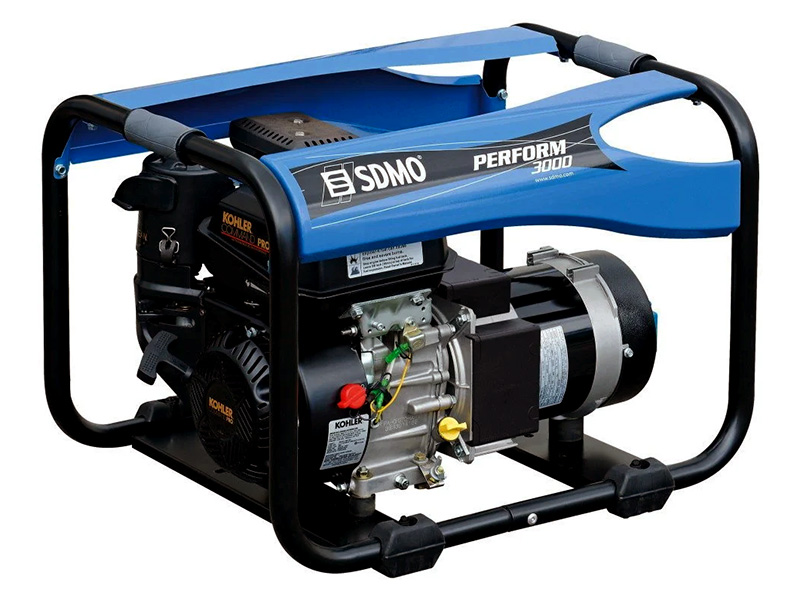
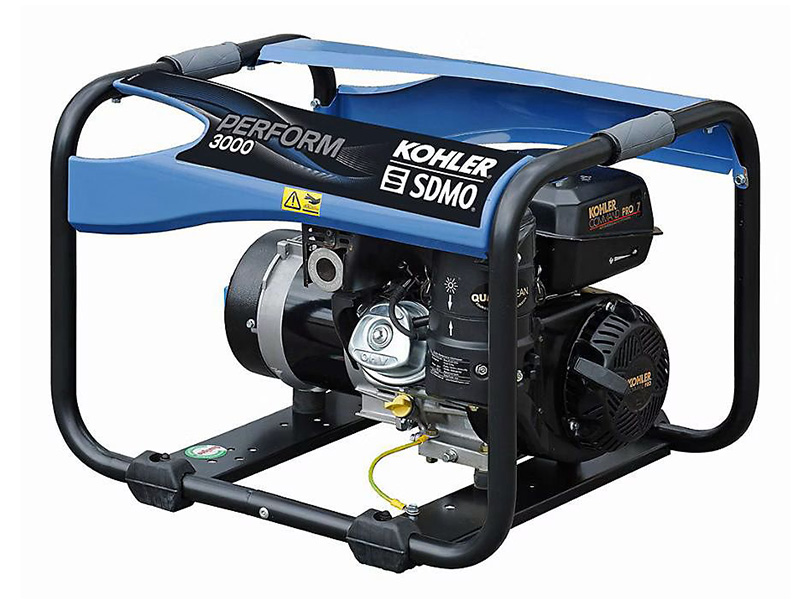
SDMO Perform 3000 TB Petrol Generator
$758.23 (2)
A Kohler engine, 115 and 230 volt outlets and a frame built to take knocks: the site generator that aims at service life rather than the spec sheet.
- Output: 2,800 W max, 2,400 W continuous, 50 Hz
- Engine: Kohler CH270, 208 cc, petrol
- Sockets: 2 x 115 V 16 A + 1 x 230 V 16 A, each with breaker
- Runtime: 3.2 h at 75 %, 4.1 L tank
- Site voltage and a genuine Kohler engine
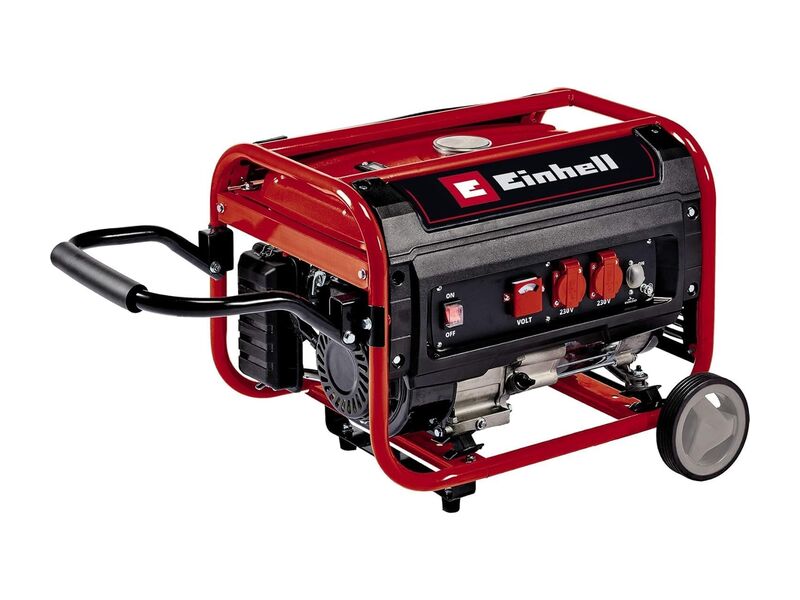
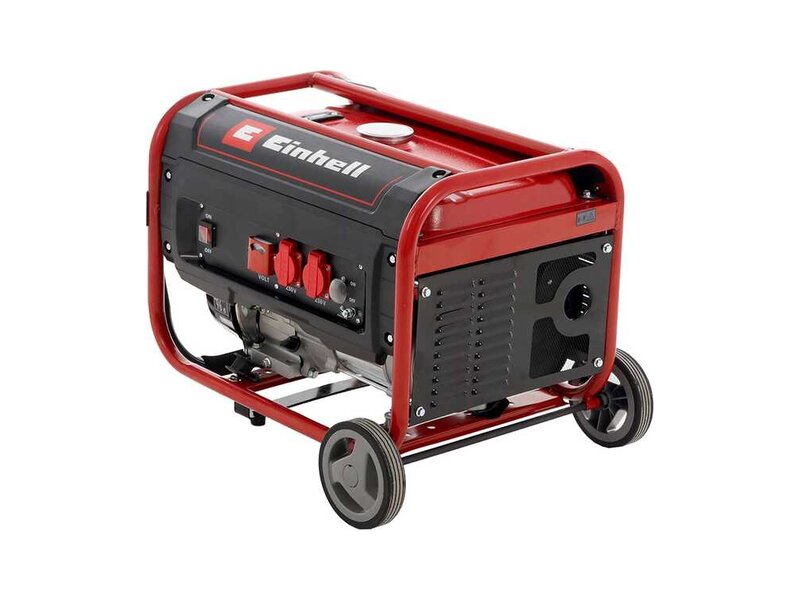
Einhell TC-PG 35/E5
$397.17 (22)
A rugged 3100W petrol generator with a large 15L tank and an AVR voltage regulator, designed for the worksite and backup power.
- Power: 3100 W max (2600 W rated)
- Engine: 4-stroke petrol, low emissions
- Outputs: 2 x 230V sockets, AVR regulator
- Large 15L tank and rugged wheeled frame
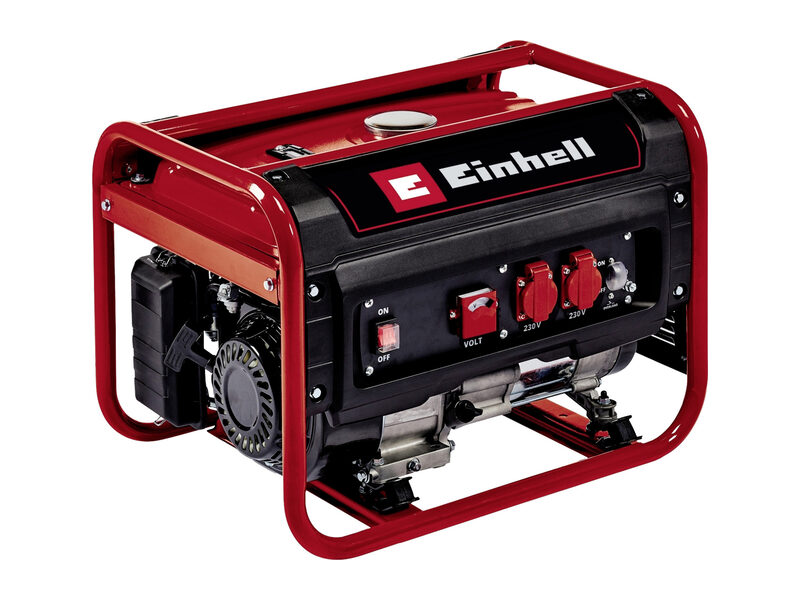
Einhell TC-PG 25/1/E5
$410.91 (10)
Twelve and a half hours on one tank: the small petrol generator that carries a whole night of outage without a refill, and without breaking the bank.
- Power: 2100 W continuous (2400 W peak)
- Runtime: 12.5 h at 2/3 load, 15 L tank
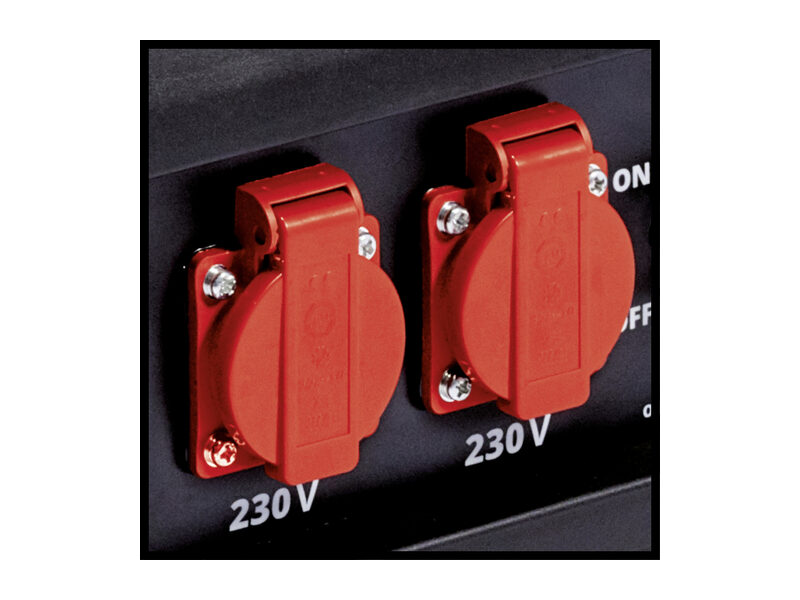
- Outputs: 2 x 230 V sockets, voltmeter, AVR
- Weight: 36.8 kg, tubular frame
- A 15-litre tank on a 2100 W generator
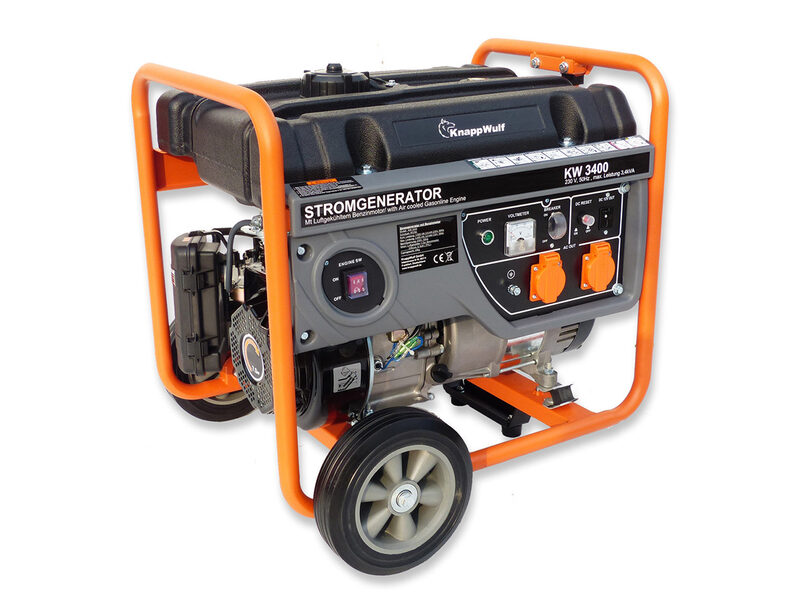
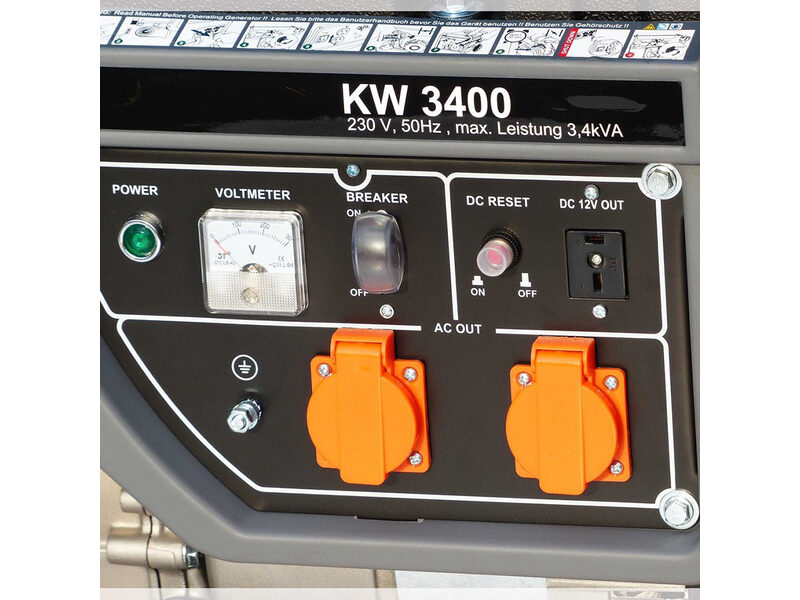
KnappWulf KW3400
$624.13 $334.64
(6)
Eleven to twelve hours on one tank, an analogue voltmeter and two solid wheels: the no-frills site generator, for under 250 pounds.
- Power: 3.4 kVA peak (3 kW), 3.1 kVA continuous (2.6 kW)
- Engine: Single-cylinder four-stroke 208 cc, air-cooled
- Runtime: 11 to 12 h on one 15 litre tank
- Outputs: 2 x 230 V sockets + 12 V (7 A), voltmeter, AVR
- Solid wheels on bearings and a 15 L tank
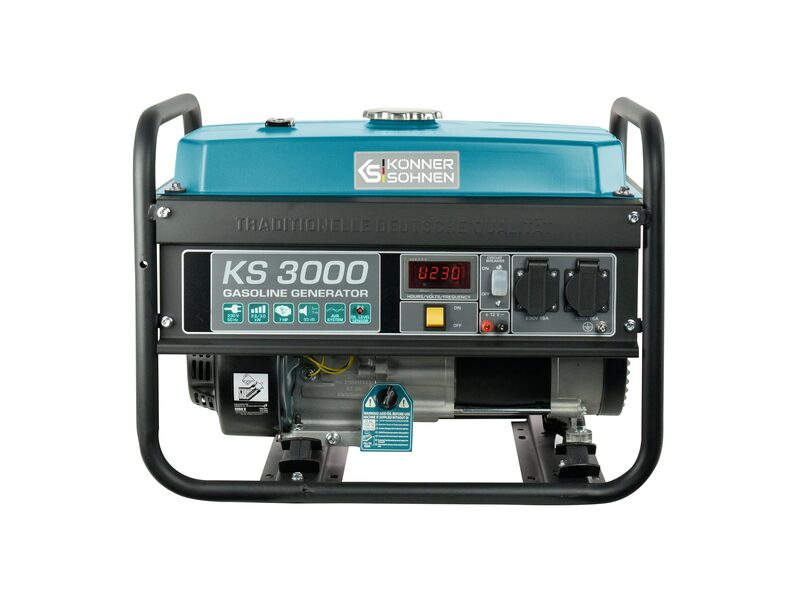
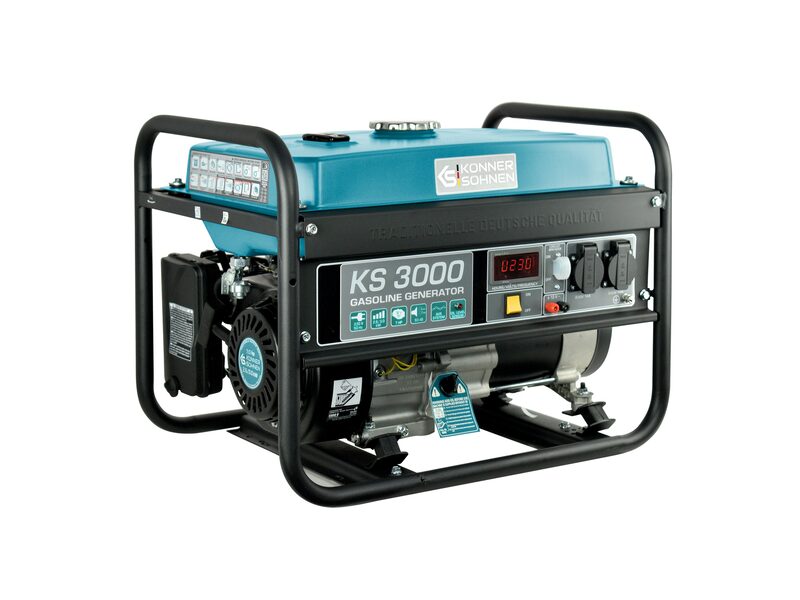
Könner & Söhnen KS 3000
$574.10 (2)
Fifteen hours on one tank, and only 68 decibels at seven metres: the site generator that almost lets you forget it is running.
- Power: 3 kW peak, 2.6 kW continuous
- Engine: KS 210, 208 cc, 7 hp, 15 L tank
- Runtime: 15 h at 50% load
- Outputs: 2 x 230 V Schuko + 12 V, LED display, AVR
- 68 dB(A) at 7 m and a 100% copper alternator
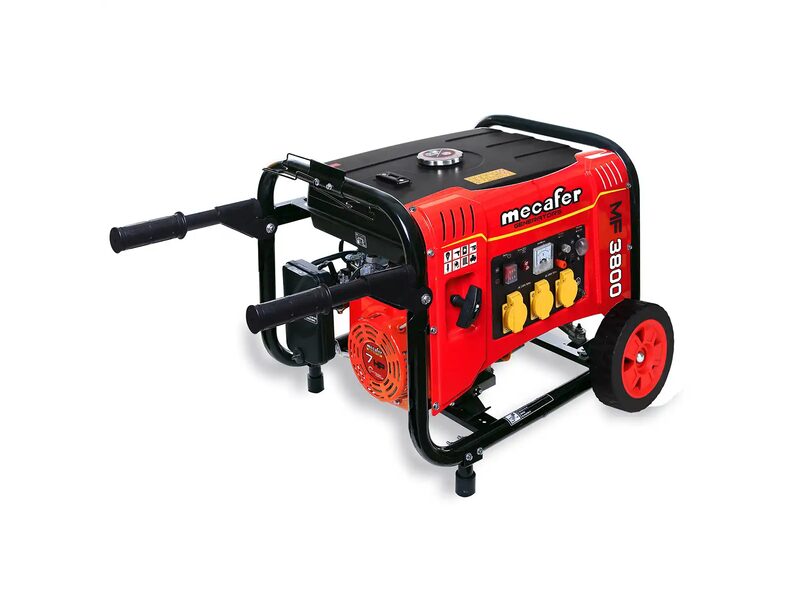
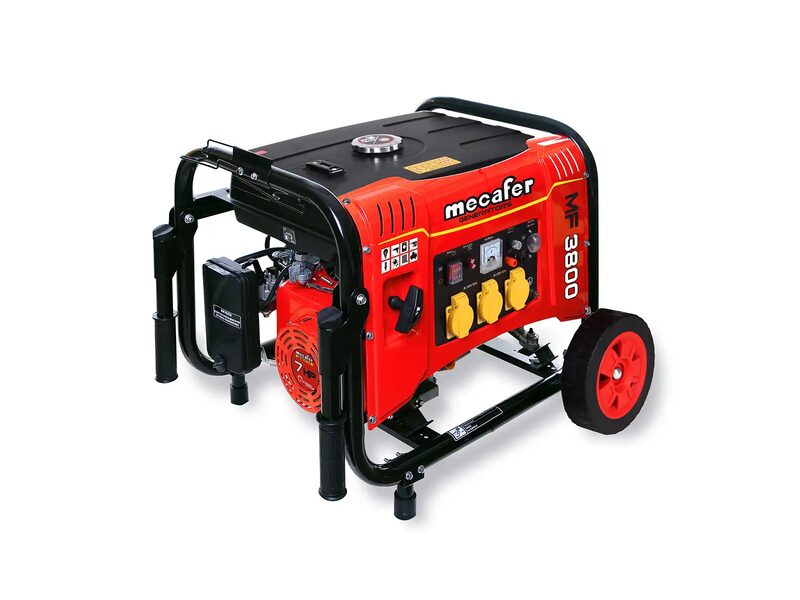
Mecafer MF3800
$527.86 (2)
A fifteen litre tank, three sockets and two big wheels: the site generator that runs all day without you touching it.
- Power: 3500 W peak, 3000 W continuous
- Engine: 7 hp four-stroke petrol, 15 L tank
- Runtime: Up to 10 h at 75% load
- Outputs: 3 x 230 V sockets + 12 V DC, AVR regulation
- 15 L tank, wheels and folding handles
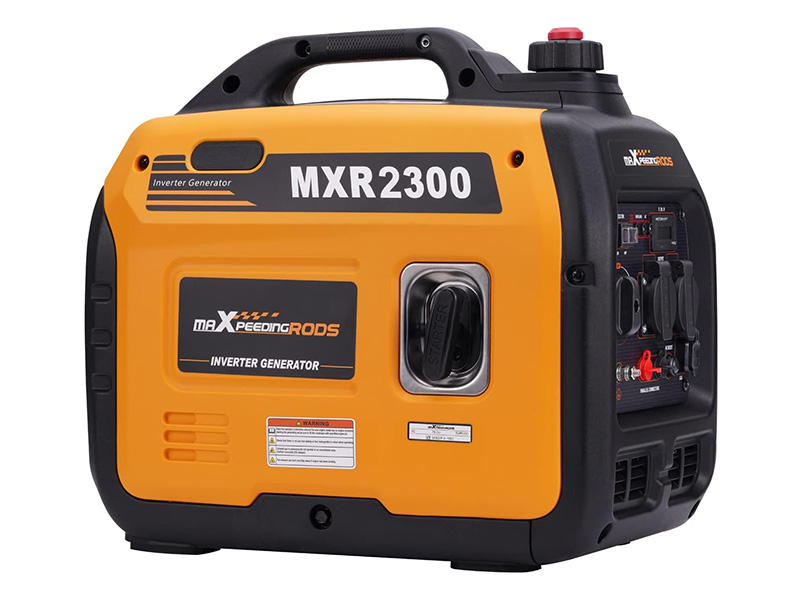
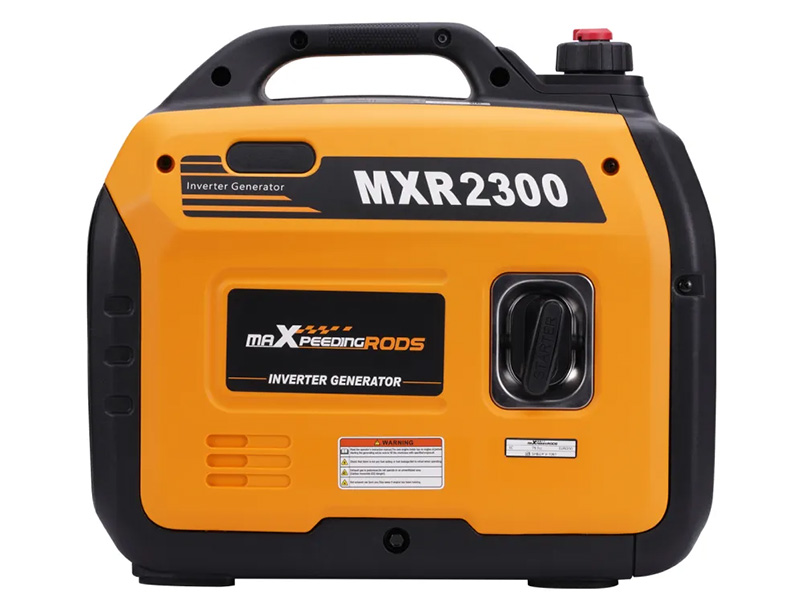
maXpeedingrods MXR2300-US Inverter 2300W
$398.00
1800 running watts, a true pure sine wave, and 58 decibels on ECO mode: the generator that powers an RV without waking up the whole campground.
- Output: 1800W running, 2300W peak
- Power quality: Pure sine wave, THD ≤3%
- Runtime: 11h at 25% load, ECO mode
- Noise: 58 dB, 39 lbs
- Pure sine and 58 dB, safe for electronics
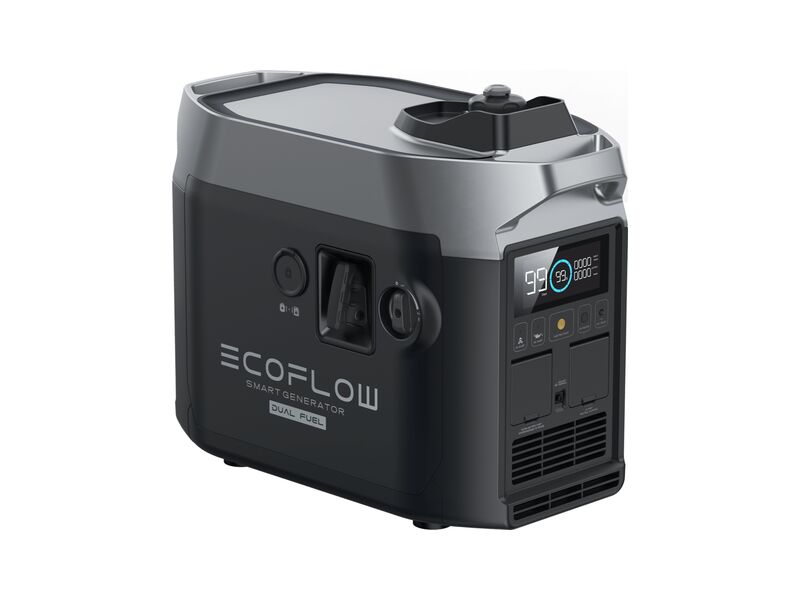
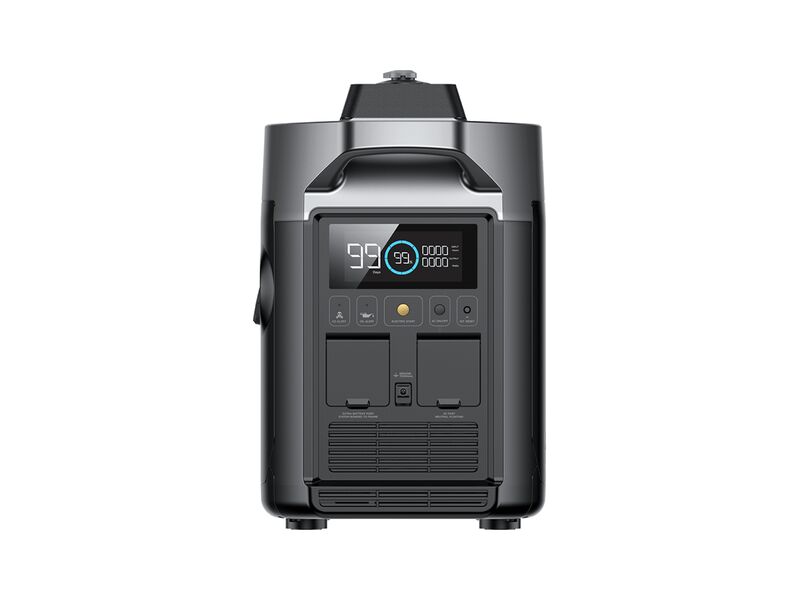
EcoFlow Smart Generator (Dual Fuel)
See price and availability
Gasoline or LPG, up to 20 kWh of runtime and automatic start: the smart generator that recharges your EcoFlow station on its own when solar is not enough.
- Fuel: Gasoline or LPG (dual fuel)
- Runtime: 5.4 kWh gasoline / up to 20 kWh LPG
- Power: Up to 1800 W (1600 W on LPG)
- Smart: Auto start, app, -40% fuel
- Auto-recharges the Delta, gas or LPG
Related questions
Add up the continuous draw of your appliances, then add the starting surge of the hungriest one, usually three times its rated power for an electric motor. A 150 W fridge asks for 450 W on start-up. Leave 20 % headroom on top: a generator permanently run at full load gets hot, burns more fuel and wears out fast.
Maximum power lasts only a few seconds, long enough to absorb a starting surge. Continuous, or rated, power is what the generator delivers for hours without overheating. It is the only figure to size your setup on, and it is typically 80 % of the advertised maximum.
Yes for a standby unit. Gas keeps for years without degrading, whereas petrol goes stale in months and gums up the carburettor of an engine that never runs. You lose roughly 10 % of the power on gas, but you gain a reliable start after a long lay-up, which is exactly what a backup is for.
Expect around seven hours from a 15-litre tank at 75 % load, and up to twelve hours under a light load. Manufacturer runtimes almost always quote the most favourable case, at 25 % load: halve them for realistic use.
Only into an inverter generator, which produces a clean sine wave. A conventional AVR-regulated set delivers a more distorted waveform, fine for a power tool or a heater but risky for sensitive electronics. If you need to run a laptop, a router or a medical device, choose an inverter model.
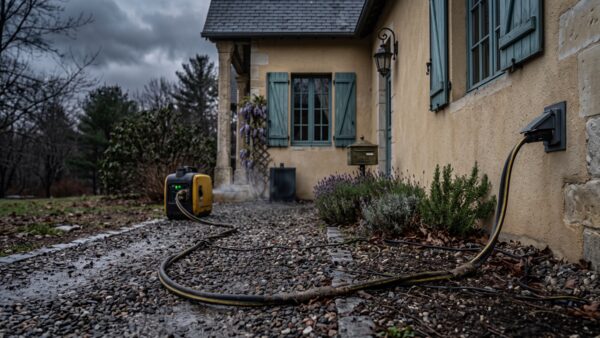
Always outdoors, several metres from any opening, never in a garage even with the door open. A combustion engine gives off carbon monoxide, odourless and lethal in an enclosed space. Set it on flat, stable ground, sheltered from rain but well ventilated, and let it cool before refuelling.