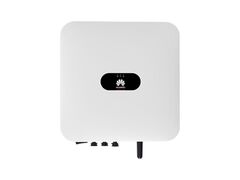
An inverter built for a roof, not for nomadic use
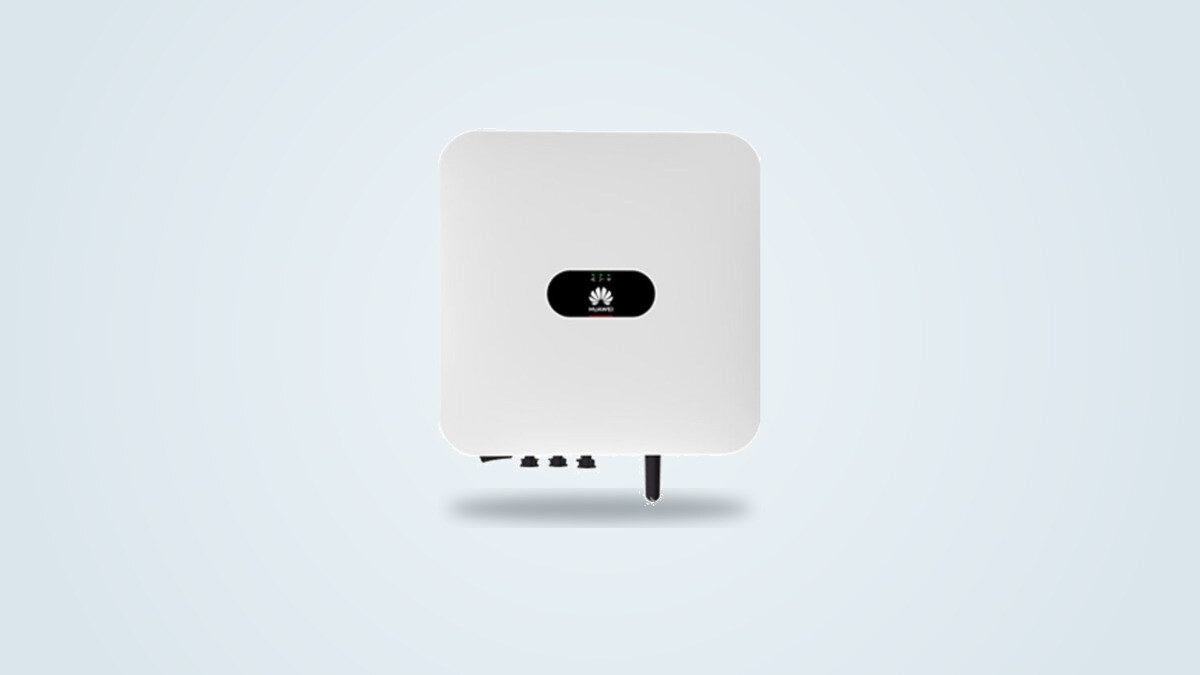
The Huawei SUN2000-3K-LB0 is a hybrid inverter for a fixed, grid-tied solar installation on a house roof, not a portable power station or a balcony micro-inverter. It converts the DC power produced by solar panels into single-phase AC power fed into the home, while optionally managing a home battery.
On the solar side, it carries two fully independent MPPT (Maximum Power Point Tracking) trackers, accepting up to 4500Wp of panels in total. That independence lets you wire panel strings facing different directions (east and west, say) without one shaded string dragging down the other's output. Grid output tops out at 3000W (3.3kVA), a size built for a typical single-family home rather than a large commercial roof.
A manufacturer efficiency figure near the top of the class, with a battery caveat
The European efficiency figure set by the manufacturer reaches 97.8% for pure solar conversion (no battery in the loop), a figure near the top of the range for a residential hybrid inverter of this size, in the markets where Huawei sells it. Once a LUNA2000 battery enters the loop, overall efficiency mechanically drops below that figure: the round trip, charging then discharging, adds a loss that direct solar conversion doesn't have to absorb. No independent measurement of the round-trip efficiency is available for this specific model, a caveat worth keeping in mind rather than an actual fault.
The input voltage range, 40 to 560V, leaves a comfortable margin for sizing a panel string without pushing the theoretical maximum, a useful precaution since a panel's open-circuit voltage rises in cold weather.
The LUNA2000 ecosystem: simple to add, closed to the competition
The SUN2000-3K-LB0's real strength, where it is sold, is its native compatibility with Huawei's own LUNA2000 battery range: adding a storage module is plug and play, with no need to swap the inverter or rewire the existing installation. The LUNA2000 line comes in several stackable capacities, letting a system that started as simple self-consumption grow into one with backup power and tariff-based control, at whatever pace the budget allows.
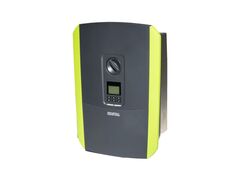
The trade-off for that simplicity: the inverter doesn't open up to any third-party battery. A buyer who already owns a battery from another brand, or who wants to keep the option of switching storage suppliers later, needs to factor this in from the outset. It's a closed-ecosystem choice, compared for instance with a rival like the Kostal PLENTICORE plus 4.2, which is open to third-party batteries. Initial pairing between the inverter and a LUNA2000 battery can also require a firmware update before it works properly, a step to plan for at installation time rather than a frequent hiccup once the system is running.
FusionSolar and the 20ms backup switchover
Monitoring runs through the FusionSolar app, available over built-in Wi-Fi with no extra gateway needed: real-time production, consumption history and remote firmware updates. The app covers the essentials, with a slightly dense first launch while the production widgets get set up; it becomes easy to read day to day after that. Occasional login hiccups (credentials, an expired session) can crop up independently of the hardware working correctly.
The most useful function day to day is the backup power switchover: with a LUNA2000 battery connected, the inverter switches to backup power in around 20 milliseconds during a grid outage, fast enough that a computer or a home router won't even restart. The system automatically arbitrates between solar production, battery charging and grid draw, with no manual input required day to day. None of this hardware capability changes the US availability situation covered below.
US availability: why this inverter can't be bought new today
Huawei never built out a US residential distribution network the way it did across Europe, and by 2026 the situation has hardened further. In mid-2026, the FCC's Public Safety and Homeland Security Bureau added foreign-made power inverters, including Chinese-made models, to its Covered List over concerns about remote access and grid security, which blocks new equipment authorizations for unapproved foreign hardware. Separately, the US Department of Defense lists Huawei among Chinese military-linked companies. Neither issue is a product recall or a safety defect with this specific inverter: both are US regulatory and distribution barriers that sit on top of the hardware itself.
Combined, these make a compliant new US residential installation effectively unavailable today, independent of the inverter's genuine technical merits described elsewhere on this page. A US buyer shopping for a hybrid inverter with a comparable feature set should look at a brand with an established US distribution network and FCC-authorized hardware, such as SMA.
An established brand, and IP66 sealing above average
Huawei is among the world's largest solar inverter manufacturers by volume, a scale that has supported spare-parts availability and long-term software upkeep in the markets it actively serves. The enclosure carries an IP66 rating, ahead of the IP65 rating on several direct rivals, for an operating range of -13 °F (-25 °C) to 140 °F (+60 °C). No safety recall has been identified for this model.
The pairing friction sometimes reported between the inverter and a LUNA2000 battery during commissioning is, elsewhere, a setup hiccup rather than a manufacturing fault; it has no bearing on the US availability issue, which is a regulatory and distribution matter, not a hardware one.
Against the SMA Sunny Boy Smart Energy 4.0 and the Kostal PLENTICORE plus 4.2
How does the Huawei SUN2000-3K-LB0 compare on paper with two other residential hybrid inverters in its class?
| Criterion | Huawei SUN2000-3K-LB0 | SMA Sunny Boy Smart Energy 4.0 | Kostal PLENTICORE plus 4.2 |
|---|---|---|---|
| AC power | 3000W, single-phase | 4000W, single-phase | 4200W, three-phase |
| MPPTs | 2 independent | 3 | 3 |
| Backup switchover | ~20ms (with LUNA2000) | Yes (EPS, 3680W max) | Depends on battery setup |
| Ingress protection | IP66 | IP65 | IP65 |
| Warranty | 10 years, no activation needed | 10 years | 5 years (10 with activation) |
| US availability | Not sold new* | Sold through US solar retailers | Limited US availability |
| Reference price | $836.00* | $1950.00 | $1557.00 |
On paper, the SUN2000-3K-LB0's spec sheet is genuinely competitive: IP66 beats both named rivals here, and its roughly 20ms backup switchover is among the fastest in this comparison. But the practical takeaway for a US shopper is availability, not spec sheets: the SMA is actively sold and supported through US solar retailers, while the Huawei is not currently available new for a compliant US residential install, and the Kostal's US presence is limited to specialist channels.
*The Huawei price shown is a currency conversion from the price observed on the European market, not a real US retail price, since no verifiable US listing exists for this model.