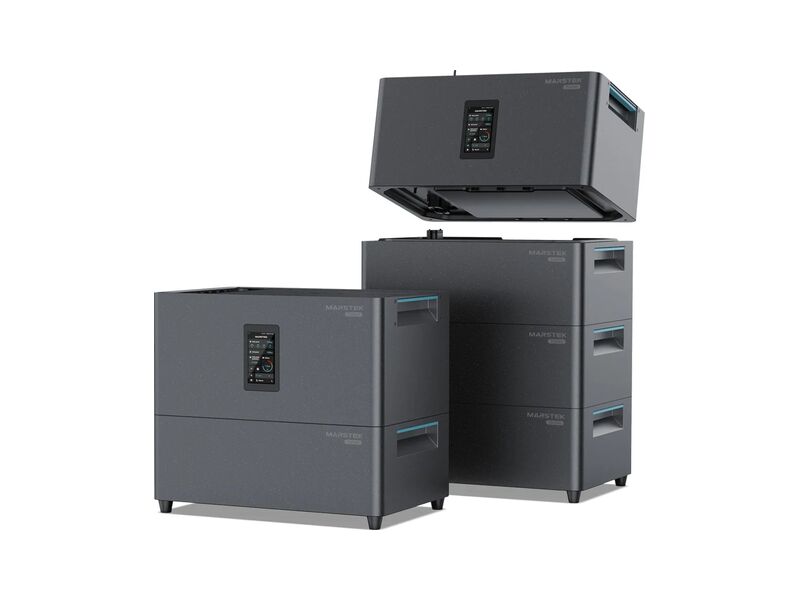
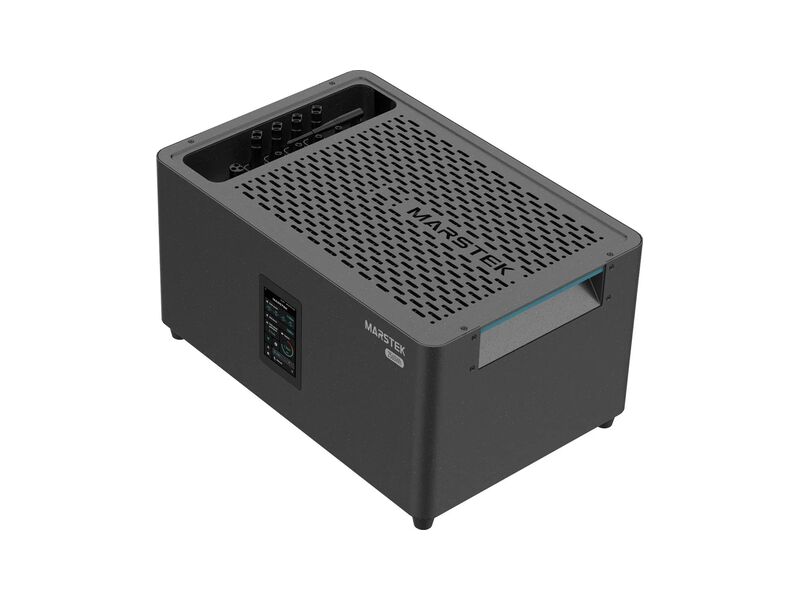
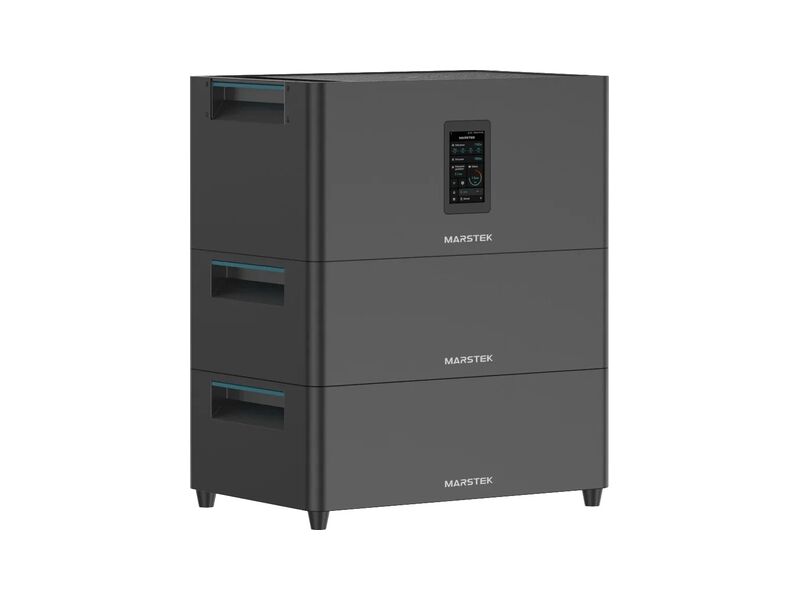
Marstek Jupiter C Plus
(9 reviews)
2560 Wh, 4 MPPT and 2400 W of solar input in DC coupling: Marstek's plug-and-play balcony battery expandable to 10240 Wh.
Characteristics
- Capacity: 2560 Wh (LiFePO4), expandable to 10240 Wh
- Solar: 4 MPPT, up to 2400 W input, 99.8% efficiency
- Coupling: DC, with built-in 800 W micro-inverter
- All-weather: IP65, works from -4 °F to 140 °F (-20 °C to +60 °C)
- 4 MPPT, 2400 W solar input, fair price
Detailed overview: Marstek Jupiter C Plus balcony battery, DC coupling, 4 MPPT
The Marstek Jupiter C Plus is the entry-level model in Chinese manufacturer Marstek's line-up. It shares its base capacity figure (2560 Wh) with the brand's own Venus C, but the two are distinct models: the Venus C works in AC coupling (plugged in downstream of an existing inverter), while the Jupiter C Plus described here works in DC coupling with its own MPPT trackers, as detailed below. This balcony solar storage battery works in DC coupling, meaning it sits between the solar panels and a compatible micro-inverter rather than plugging into the AC output of an existing installation.
Its 4 independent MPPT trackers accept up to 2400 W of solar panels, with a claimed conversion efficiency of 99.8%. Its 2560 Wh LiFePO4 battery feeds up to 800 W through its built-in micro-inverter, enough to cover a good share of a household's baseline consumption. Capacity expands up to 10240 Wh by adding up to three extra battery modules, stacked on top of the main unit.
Rated IP65 against water and dust, it operates reliably from -4 °F to 140 °F (-20 °C to +60 °C), and is controlled through the Marstek app over Wi-Fi and Bluetooth, with a wired RS485 connection also available. Its anti-feed-in function continuously reads data from a compatible smart meter (Marstek CT002/CT003, Shelly Smart Meter, HomeWizard P1) to automatically adjust output power and prevent any export to the grid.
Installation is designed to be plug-and-play, with no electrician or drilling required: the unit sits on the ground or mounts on a wall, and connects to the panels via MC4 connectors and to a standard wall socket. Backed by a 10-year warranty and a rated 6000-plus charge cycles, the Jupiter C Plus builds on a range already proven by more than 177 customer reviews on the manufacturer's own site, averaging 4.6 out of 5.
Availability still varies by market, however: well established in Germany through the manufacturer's official store, it has no dedicated local retailer yet in France, Italy or Spain at the time of writing, which currently limits purchase options outside Germany to a handful of third-party sellers on Amazon.
Full specifications
Detailed characteristics
Battery
| Technology?Battery chemistry; LiFePO4 lasts far longer and can be fully discharged, gel/AGM is maintenance-free and cheaper. | LiFePO4 (lithium) |
|---|---|
| Nominal voltage?Battery voltage (12, 24 or 48 V). | 51.2 V |
| Energy?Stored energy in watt-hours. | 2560 Wh |
| Delivered energy, measured?Energy that actually leaves the battery and reaches the devices. Always below the stored energy, as conversion costs heat. Taken from our in-depth review. | 2184 Wh |
| Cycle life?Rated number of charge/discharge cycles, at the stated depth of discharge. | 6000 cycles |
| Expandable up to?Maximum capacity reachable with add-on modules. | 10240 Wh |
Power and protection
| Output power?Maximum power delivered (for storages with a 230 V output). | 800 W |
|---|---|
| Built-in BMS?Battery management system protecting against overcharge, deep discharge, short-circuit and overcurrent (lithium batteries). | Yes |
| Low-temperature protection / heating?Cuts off or heats charging in cold weather to protect the lithium cells. | Yes |
Solar section
| MPPT controllers?Number of built-in MPPT solar controllers (lets you connect panels facing different directions). | 4 |
|---|---|
| Max solar input?Maximum connectable PV power. | 2400 W |
| Micro-inverter?Power of the inverter that feeds energy back into the home grid. | 800 W |
Connectivity
| Bluetooth?Monitoring and settings via an app over Bluetooth. | Yes |
|---|---|
| Wi-Fi?Remote control and updates over Wi-Fi. | Yes |
Durability and format
| Ingress protection?Water and dust resistance (IP rating). | IP65 |
|---|
Availability and warranty
| Market launch?Date the model first became available on the European market. Useful to place its generation: technology moves fast in this segment, and a device several years old may be at the end of its commercial life. | June 2025 |
|---|---|
| Warranty?Length of the manufacturer's warranty. | 10 years |
Comparison
How does the Marstek Jupiter C Plus compare with other plug-and-play balcony batteries, for searches like "Jupiter C Plus vs Growatt NOAH 2000"? Here is how it stacks up against three references already in our catalog: the Growatt NOAH 2000, the Indevolt BK1600 Ultra and the Zendure SolarFlow 1600 AC+.
| Criterion | Jupiter C Plus | Growatt NOAH 2000 | Indevolt BK1600 Ultra | Zendure SolarFlow 1600 AC+ |
|---|---|---|---|---|
| Capacity | 2560 Wh | 2048 Wh | 1636 Wh | 1920 Wh |
| Coupling | DC, built-in micro-inverter | DC, separate dedicated micro-inverter | DC, built-in micro-inverter | AC, no MPPT |
| Solar input | 2400 W (4 MPPT) | 1800 W (2 MPPT) | 1200 W (2 MPPT) | Not applicable (AC coupling) |
| Expandable to | 10240 Wh | 8192 Wh | 4908 Wh | 11520 Wh |
| Observed price | ≈ $543.08 | ≈ $450.44 | ≈ $577.81 | ≈ $832.56 |
In short, the Jupiter C Plus stands out with the largest solar input in this comparison (2400 W across 4 MPPT) and above-average expandability, at a price that stays below the Zendure SolarFlow 1600 AC+. The Growatt NOAH 2000 keeps a lower entry price, and the Indevolt BK1600 Ultra also bets on simplicity with a built-in micro-inverter like the Jupiter C Plus, but with lower capacity and expandability. For anyone wanting to capture as much solar power as possible from the base unit alone, the Jupiter C Plus remains a very complete option.
Related video
Video: How to Install Jupiter C Plus | Step-by-Step Balcony ESS Installation Guide by Marstek Energy? - Published on 28/07/2025
Our tester's review: Julien De Jurquet
The Jupiter C Plus shares its base capacity figure (2560 Wh) and several specs with Marstek's own Venus C, a separate AC-coupled model rather than this DC-coupled one: the two are easy to mix up, but they aren't the same unit. In practice, it's a serious balcony battery: its 4 MPPT trackers and 2400 W of solar input let you wire up to 4 panels without worrying much about partial shading, and the HD touchscreen makes initial setup far easier than a phone app alone. Several users report solid compatibility with Shelly Pro 3EM meters and Germany's Ecotracker, plus a responsive support team when the initial pairing gets stuck. Our main reservation concerns availability outside Germany: at the time of writing, there's still no official store or established retailer in France, Italy or Spain, which means going through a third-party Amazon seller at a noticeably higher price than in Germany. For anyone able to order directly from the manufacturer, the value for money remains among the best in the category.
In-depth review Marstek Jupiter C Plus: Our Full Review 3.6/5 Read our full review → Efficiency 4.0 Portability and size not measured Weather resistance not measured Output ports not measured Capacity and expansion 3.8 Solar input and MPPT 3.7 Control and smart features 2.5 Installation and compliance 3.8 Build and endurance 3.2 Battery compatibility not measured Safety and protections not measured Storage battery compatibility not measured Control and smart features not measured Compliance and grid connection not measuredFrequently asked questions: Marstek Jupiter C Plus balcony battery, DC coupling, 4 MPPT
No. Despite a similar name and the same base capacity (2560 Wh), these are two distinct Marstek models: the Venus C works in AC coupling, downstream of an existing inverter, while the Jupiter C Plus connects directly to the panels through its own MPPT trackers, in DC coupling. No official announcement of a name change between the two has been found to date.
Up to 4 panels, spread across its 4 independent MPPT trackers, for a total solar input of 2400 W.
Yes, up to 3 additional battery modules can be added, bringing total capacity up to 10240 Wh.
Not yet through a dedicated local store: at the time of writing, buyers outside Germany generally rely on third-party Amazon listings, as the manufacturer's direct online store is currently limited to the German market.
Its built-in micro-inverter feeds up to 800 W continuously into the home network, with an anti-feed-in function driven by a compatible smart meter.
Yes, like any grid-connected solar installation, though the paperwork depends on where you live: registration in the Marktstammdatenregister in Germany (no separate grid-operator notification needed since the Solarpaket I reform), a declaration to Enedis in France (plus a Consuel safety certificate if wired into a dedicated circuit), a communication to the local distributor under CEI 0-21 in Italy, and registration under the RD 244/2019 self-consumption regime in Spain. Check the current rules where you live before commissioning it.
Need help choosing?
Related articles
Other products in the "Plug and play solar batteries" category
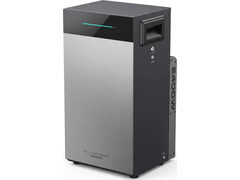
Allpowers BS2500 Pro
$1149.00
A capable 2600Wh plug-and-play balcony battery that has done well in Europe, but not yet sold through a US store or Amazon.com as of 2026.
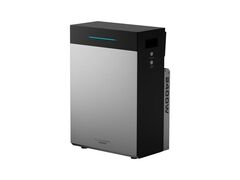
Allpowers BS5000 Pro
$2124.00 (1)
A 5.2 kWh plug-and-play balcony battery with 2400W backup, but a 230V European model that Allpowers does not currently sell in the United States.
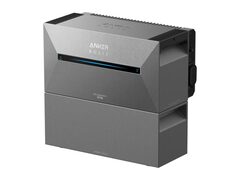
Anker Solix Solarbank 2 E1600 AC
$946.45 (7)
1.6 kWh of AC-coupled solar storage for your balcony: built-in 800W microinverter, dual MPPT, IP65 rating and a capacity expandable up to 9.6 kWh.
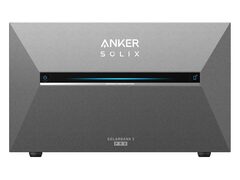
Anker Solix Solarbank 3 E2700 Pro
$1214.40 (7)
2688Wh of plug-and-play solar storage: 4 MPPT, a bidirectional 1200W microinverter and an AI that optimizes your self-consumption on its own. Balcony solar finally pays off.
Published on 02/09/2026