Nitecore IntelliCharger i2: Our Full Review

Two LEDs and no screen in sight: the Nitecore IntelliCharger i2 banks on near-universal compatibility rather than advanced features, with rare but real overheating incidents worth knowing about before leaving it unattended.

Our rating
4.0/5
Safety and protections: 3.9 out of 5 (weighting 20%)Safety3.9Build and endurance: 4.1 out of 5 (weighting 15%)Build4.1Format and chemistry compatibility: 4.6 out of 5 (weighting 25%)Compatibility4.6Charging precision: 3.8 out of 5 (weighting 25%)Precision3.8Display and control: 3.1 out of 5 (weighting 15%)Display3.1

How is this rating calculated?

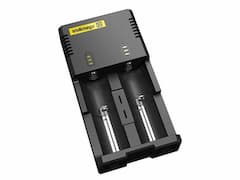
Nitecore IntelliCharger i2 battery charger, two bays

The essentials

The IntelliCharger i2 earns its reputation as a universal charger on one specific point: compatibility. Two independent bays accept anything from an AA NiMH battery to a 26650 Li-ion cell, with automatic chemistry detection that removes the need for any manual setting. Combined with the option of wall-outlet or 12V car-socket power, this versatility makes it a practical companion for anyone with a mixed collection of batteries and cells. The limitations are just as clear. The charge current cannot be adjusted, the unit offers neither a capacity test nor a regeneration function, and the display is limited to two progress LEDs, with no screen or numeric reading per bay. The most important point to know before buying concerns safety: while the very large majority of users report several years of use with no incident, rare cases of significant overheating, and even dangerous heat release, exist on this model, as they do on many chargers left unattended, a reminder that no charging device should be left plugged in far from any supervision. The market also includes counterfeits, which can be checked against the code printed on the original packaging. For occasional, versatile use at a moderate price, the i2 remains a sound choice; for anyone wanting genuine per-bay monitoring or advanced maintenance functions, the Ansmann Powerline 5 Pro goes considerably further.

Strengths

  • Near-universal compatibility: Li-ion/IMR from 10440 to 26650, NiMH/NiCd AA to D
  • Automatic chemistry detection, no setting to configure before starting a charge
  • Two independent bays, including two different formats or chemistries charged at once
  • Flexible power options, wall outlet or 12V car socket depending on the cable supplied
  • Moderate price and a long track record, several years of service reported by many users

Limitations

  • Rare cases of significant overheating, and even dangerous heat release, are reported on this model
  • Charge current not adjustable, unlike more advanced models in the same lineup
  • No capacity test, discharge or regeneration function
  • Display limited to two progress LEDs, with no screen or numeric reading per bay
  • The car-socket power cable is no longer always included in the box, a recent change compared with the first versions sold
  • The market includes counterfeits, distinguishable from the original via the verification code on the packaging
Nitecore IntelliCharger i2 Charger: see the full details and price →

The universal charger for 18650 cell enthusiasts

Flashlights, e-cigarettes, NiMH batteries from a kitchen drawer: the IntelliCharger i2 targets households that accumulate different battery and cell formats and would rather rely on one device than a pile of dedicated chargers. Its promise fits in one sentence: two bays that accept almost anything that recharges at 1.2 or 3.7 volts.

2
Independent bays
1000 mA
Maximum charge current
10 h
Automatic safety cutoff

Compatibility that covers almost every common format

The list of accepted formats is remarkably long for a device this size: on the Li-ion and IMR side, from the tiny 10440 up to the bulky 26650, including the common flashlight sizes (18650, 18490, 16340/RCR123, 14500). On the NiMH and NiCd side, AA, AAA, AAAA, C and D formats are all covered. The two bays work independently, so a Li-ion cell and a NiMH battery can be charged at the same time without affecting each other. One point worth knowing: the unit only takes unprotected 21700 cells, since a protected cell is too long for the bay, a mechanical limit rather than an arbitrary choice.

Reliable automatic detection, but no setting or advanced function

The unit automatically detects the chemistry of each inserted cell and adjusts its charging behavior accordingly, with no action needed. Charge current reaches 1000mA with a single bay occupied, split to 500mA per bay when both are used at once. This current cannot, however, be adjusted manually, unlike more advanced models from the same brand or from competitors. The i2 offers no capacity test, discharge or regeneration function: it charges, then cuts off at the end of the cycle or after 10 hours as a safety measure, and that is all. For anyone looking to maintain or diagnose the real condition of their cells over time, this is not the right tool.

Two LEDs, no screen, a deliberately minimal readout

The IntelliCharger i2 shows charge status via a single LED per bay, with no LCD screen or numeric data (voltage, internal resistance, capacity returned). This simplicity makes everyday use easy: insert the cell, one color shows charging in progress, another shows the end of charge. It does, however, leave the user with no detailed information on the real condition of their cells, unlike a screen-equipped model such as the Varta LCD Smart Charger+ or the Ansmann Powerline 5 Pro.

Standard protections, but rare real incidents worth knowing about

The unit includes protection against overheating and reverse polarity, along with an automatic cutoff at the end of charging or after 10 hours. Across the very large majority of usage feedback, these protections work normally for several years with no incident. There are, however, a small number of separate accounts, across several markets, of a unit catching fire during charging or producing heat and a burning smell judged dangerous, before even the normal wear expected for this type of product. This risk remains a minority one given the volume of units sold, but it justifies one simple rule that applies to any battery charger: never leave it charging unattended, particularly overnight or while away from home. The market also includes counterfeits of this popular model, distinguishable from the original via a scratch-off verification code on the official packaging.

A reputation for longevity, with a few failures reported

Nitecore enjoys a solid reputation in the world of flashlights and rechargeable cells, and the i2 benefits from it: several years of daily use with no fault are commonly reported, sometimes beyond four to six years. This is not, however, a universal guarantee: some units stop working after a few months, and a case of cracking at the AC plug, exposing a risk of contact with a live part, has been reported. The brand offers a one-year warranty, shorter than that of other, higher-end products in its own catalog.

Up against the other battery chargers in the lineup

How does the i2 compare with the other battery and cell chargers already covered?

Comparison of battery and cell chargers (prices as observed, for reference only)
CriterionNitecore i2GP ReCyko AR02Panasonic Eneloop BQ-CC55Varta LCD Smart Charger+
FormatsLi-ion + NiMH/NiCd, AA to DAA/AAAAA/AAAAA/AAA
LCD screenNo (LED)NoNo (4 LEDs)Yes
Independent chargingYes (2 bays)NoYesYes
Adjustable currentNoNoNoNo
Typical price$18-20≈ $10≈ $40≈ $37

On AA/AAA formats alone, the GP ReCyko AR02 does the job for about half the price, but without independent charging. The Eneloop BQ-CC55 and Varta LCD Smart Charger+ cost more for a use that stays just as limited to standard round cells. The i2's advantage lies in its versatility, able to cover an 18650 flashlight cell as well as an AA battery, something none of the other three offers. For more advanced maintenance (testing, discharge, regeneration), see the Ansmann Powerline 5 Pro. Its price above reflects a prudent estimate for this market at the time of writing, since the classic i2 no longer appears to be widely stocked, with newer, pricier Nitecore models showing up in its place on some listings.

The rating in detail

Our rating
4.0/5
Actual charging current not measured
Battery compatibility not measured
Safety and protections 3.9
Build and endurance 4.1
Cables and connectors not measured
Actually delivered power not measured
Multi-port power sharing not measured
Protocol compatibility not measured
Size and technology not measured
Format and chemistry compatibility 4.6
Charging precision 3.8
Display and control 3.1
Nitecore IntelliCharger i2 Charger: see the full details and price →

The product and its alternatives

Nitecore IntelliCharger i2 Charger

Nitecore IntelliCharger i2 Charger

See price (18)

A rugged, versatile charger that charges two cells at once, even of different types, from 18650 Li-ion to AA NiMH, with automatic chemistry detection.

View product
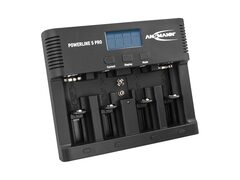
Ansmann Powerline 5 Pro charger

Ansmann Powerline 5 Pro charger

See price (17)

The charging and reconditioning station for enthusiasts: all formats (AA to D, 9V), LCD screen and test, discharge and refresh programs to maintain your batteries.

View product
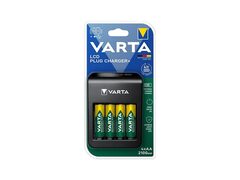
Varta LCD Smart Charger+

Varta LCD Smart Charger+

$43.72 (28)

Clear LCD screen, handy USB power and 4 AA cells included: the good all-round compromise for the home.

View product

Frequently asked questions

Yes, as long as they are rechargeable NiMH or NiCd batteries in AA, AAA, AAAA, C or D format. It does not recharge single-use alkaline batteries.

Yes, the two bays are independent and automatically detect the chemistry of each inserted cell, including two different types at once.

The large majority of users never have a problem over several years of use. Rare cases of significant overheating or dangerous heat release do exist, however, which is why any battery charger, whichever model it is, should never be left charging unattended.

The original Nitecore packaging includes a scratch-off verification code, which can be entered on the manufacturer's website to confirm the unit's authenticity. This market includes many counterfeits.

No, the i2 automatically applies the current suited to the detected chemistry, with no manual adjustment possible, unlike more advanced models such as the Ansmann Powerline 5 Pro.