Pierre Freysinger

Pierre Freysinger, IT & UX Manager

Pierre Freysinger is the most technical profile at Best Batteries, and probably the one who makes the rest of the site possible: he runs the infrastructure, the product database, the partner integrations and, above all, the user experience. Trained in computer science in Strasbourg and then in human-computer interaction, he wears the rare double hat of developer and interface designer. That sensibility runs through his whole way of testing: a product is worth not only its spec sheet, but what you feel while using it.

Where many stop at the numbers, Pierre hunts down what shows up in use and never on the box: a screen unreadable in bright sunlight, an inaccurate charge indicator, a poorly thought-out cable, an absurd companion app, a charging standard badly respected. Curious to his fingertips, he sometimes takes products apart to judge the quality of the solder joints and the presence of protection circuits. It is this eye that makes him credible on regulatory and connectivity topics, like his reference article on mandatory USB-C in the European Union.

His German, inherited from Alsatian roots, lets him follow the documentation and the manufacturers of Central Europe, a quiet but valuable asset for the team. On Au Frais, he applies the same demanding eye to the ergonomics of portable fridges, from the accuracy of the temperature display to how clear the control app really is.

Single and a self-confessed geek, Pierre devotes his evenings to home electronics projects based on Raspberry Pi and Arduino, when he is not escaping into a video game or a tabletop role-playing session. He even automated part of the warehouse lighting to optimize its consumption, a bit of tinkering perfectly in step with the company's eco-responsible approach. True to form, he often starts a test by switching off all of a device's useless beeps: for him, a good product must stay understandable once stripped of its gimmicks.

Pierre has carried out 7 product tests in the Cells category.

Articles by Pierre (16)

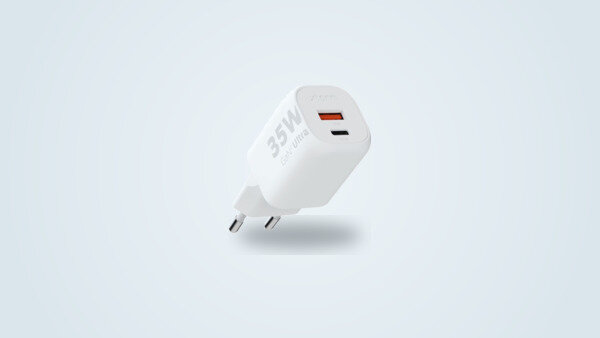
Xtorm GaN2 Ultra 35W wall charger seen from a three-quarter angle, white body with a USB-C port and a USB-A port visible, fixed European two-pin plug Reviews & Tests

Xtorm GaN2 Ultra 35W: our review

With a single USB-C port and a total power budget of 35W, the Xtorm GaN2 Ultra bets on compactness rather than raw power. One detail that few spec sheets spell out changes the picture: plugging in both ports at once never adds up to 53W (35+18), it shares the same 35W budget.

Pierre Freysinger Published on September 22, 2026 by Pierre
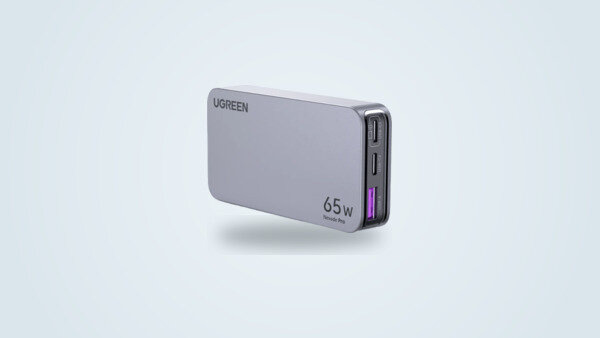
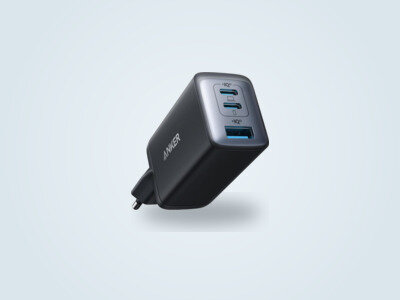
Ugreen Nexode Pro 65W Slim wall charger seen from a three-quarter angle, flat light gray case with two USB-C ports and one USB-A port visible on the edge Reviews & Tests

Ugreen Nexode Pro 65W Slim: our review

With a flat 3.3 x 1.9 x 0.55 in (84 x 48 x 14 mm) case, this GaN charger promises laptop-brick power in the smallest footprint in the Ugreen lineup. The main port genuinely delivers its 65W, but this record-thin format comes with a documented trade-off: a high surface temperature and a faint electronic whine that the product page never mentions.

Pierre Freysinger Published on September 22, 2026 by Pierre
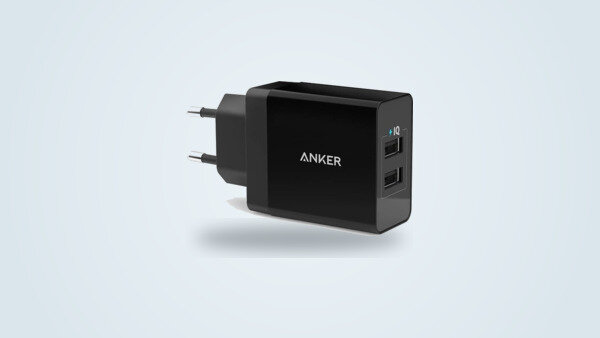
Black Anker dual USB-A wall charger seen from a three-quarter angle, European prongs unfolded Reviews & Tests

Anker 24W USB Wall Charger: our review

24W total output with 2.4A guaranteed on each port even when both are used at once: this Anker charger without USB-C or fast charging keeps a simple promise, and its electrical isolation withstands thousands of volts without the slightest damage.

Pierre Freysinger Published on September 16, 2026 by Pierre
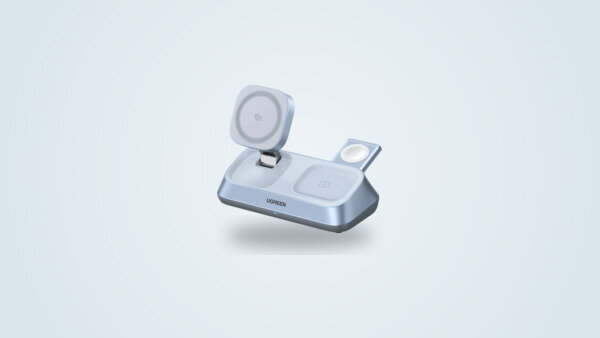
Ugreen MagFlow 3-in-1 wireless charging station seen from a three quarter angle, tilted iPhone stand, Apple Watch puck and AirPods charging spot visible Reviews & Tests

Ugreen MagFlow 3-in-1: our review

With real 25W over Qi2.2, this station charges an iPhone, Apple Watch and AirPods at once without any of the three slowing the others down. That speed is limited to up to date iPhone 16 and 17 handsets though, and the whole unit runs noticeably warm once fast charging goes on for a while.

Pierre Freysinger Published on September 16, 2026 by Pierre
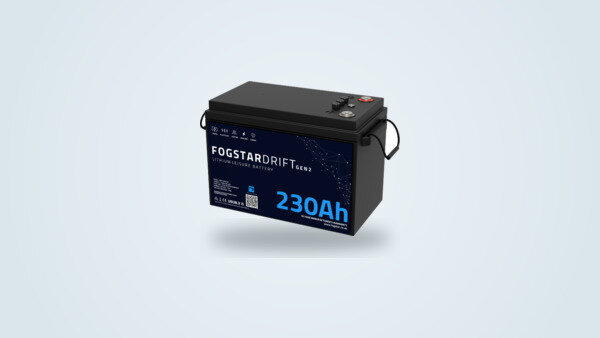
Fogstar Drift 12V 230Ah LiFePO4 Gen2 battery seen from three quarters, black case with carry handles and a white indicator light on the front panel Reviews & Tests

Fogstar Drift 12V 230Ah: our review

Integrated heating rated down to -40 °F (-40 °C), a BMS raised to 300A and native Victron compatibility as standard: this Gen2 goes well beyond the LiFePO4 batteries already reviewed in the same family, but its own datasheet contradicts itself on the maximum charge current, and its 10-year warranty is built around a return to the UK.

Pierre Freysinger Published on September 16, 2026 by Pierre
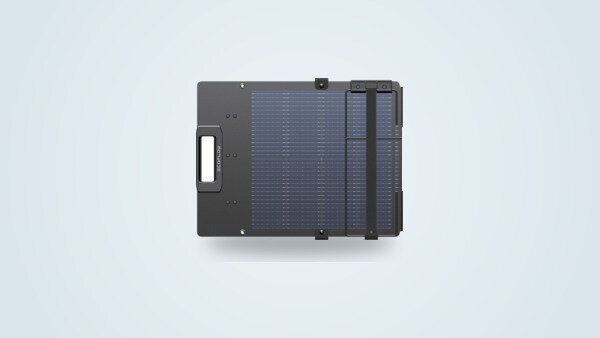
EcoFlow 110W portable solar panel seen from above, EcoFlow carry handle and built-in kickstand strap visible, on a light gradient background Reviews & Tests

EcoFlow 110W Solar Panel: Our Review

At 7.3 lb (3.3 kg), the EcoFlow 110W solar panel is the lightest and most compact panel in the brand's entire bifacial line, which spans 110 to 400W. Its built-in XT60 cable and kickstand adjustable from 30 to 60° connect it directly to compact River and Delta series stations, but two points are worth clearing up before buying: what the declared 122W bifacial figure actually means, and a product name that also covers an older, heavier, monofacial generation still widely found in tests and reviews online.

Pierre Freysinger Published on September 8, 2026 by Pierre
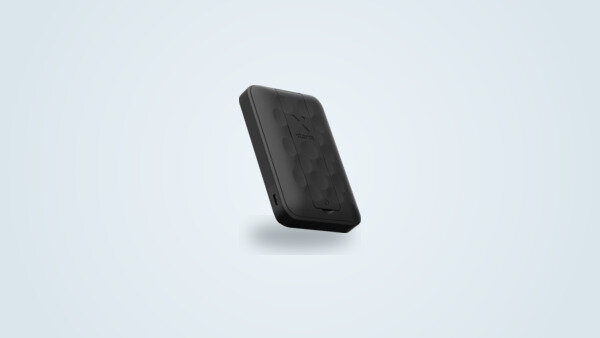
Xtorm FS5W101 magnetic power bank at a three-quarter angle, black honeycomb texture and Xtorm logo visible, kickstand folded under the case Reviews & Tests

Xtorm FS5W101: our review

The built-in metal kickstand really is sturdier than a plastic stand, but it is about the only place this 8.1 oz (229 g) power bank gets ahead of the competition: a weaker magnet, USB-C capped at 20W, and 0.94 in (24 mm) of thickness, the bulkiest in the comparison.

Pierre Freysinger Published on September 7, 2026 by Pierre
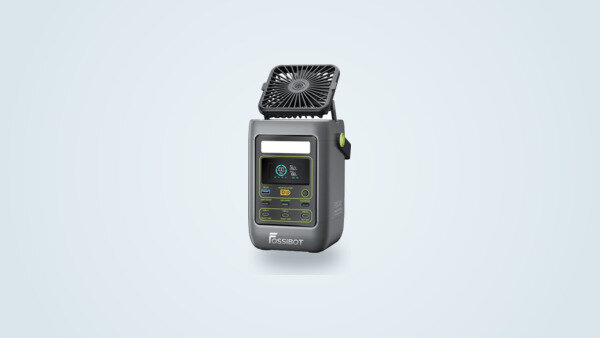
Fossibot FDC300 power station at a three-quarter angle, personal fan deployed and screen showing charge status Reviews & Tests

Fossibot FDC300: our review

Unveiled at IFA 2026, this 100% USB-C mini power station skips both an AC outlet and a 12V output, two choices that set it apart from its two direct rivals of the same capacity already covered on this site. Its built-in personal fan is a genuine signature feature, but the product is too new for any independent data to exist yet on its efficiency or how well it holds its rated power, and US availability isn't confirmed yet either.

Pierre Freysinger Published on September 6, 2026 by Pierre
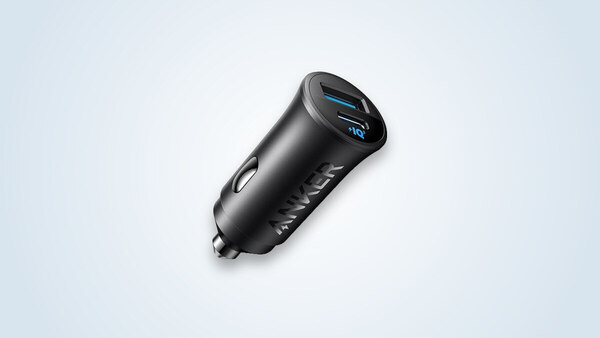
Anker 30W car charger with its USB-C port and USB-A port visible Reviews & Tests

Anker 30W car charger: our full review

Small footprint, one USB-C port, one USB-A port: the Anker 30W cigarette-lighter charger keeps a real promise when only one device is plugged in. Add a second device, and the picture gets more complicated.

Pierre Freysinger Published on September 4, 2026 by Pierre
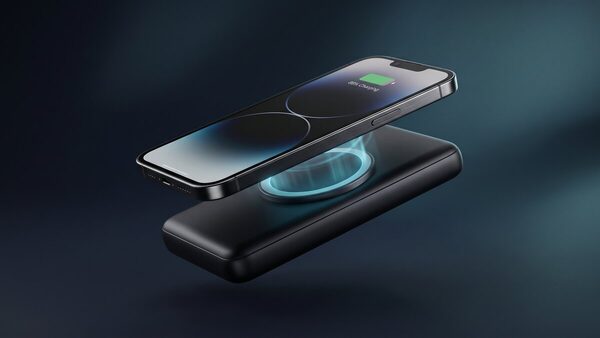
Five MagSafe and Qi2 power banks next to an iPhone charging wirelessly Comparisons

5 best MagSafe and Qi2 power banks

Magnetic wireless charging, a built-in cable, Qi2 at 25 W or just a backup trickle: we compared the best MagSafe and Qi2 power banks on the market to help you pick the right one.

Pierre Freysinger Published on September 2, 2026 by Pierre
Anker Nano II 65W USB-C wall charger on a light background Reviews & Tests

Anker Nano II 65W: our review

On its main port, the Anker Nano II 65W holds the advertised 65W, confirmed in real-world use on a Samsung smartphone during fast charging. Compact size and thermal management are its consistent strengths, but two real limits stand out: power that falls short for the most demanding laptops, and sharing between several devices that stays modest as soon as three of them are plugged in at once.

Pierre Freysinger Published on August 30, 2026 by Pierre
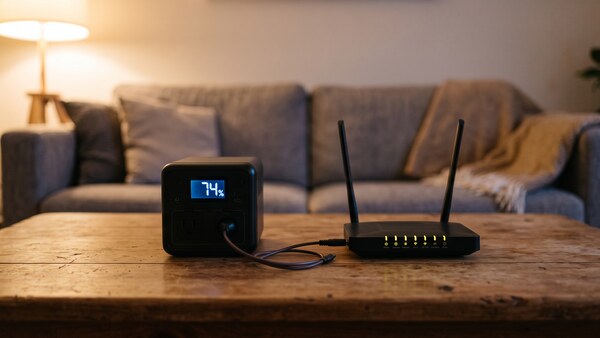
Broadband router and Wi-Fi box powered by a small portable power station Guides

Power outage: keeping your router and broadband box online

During a power outage, the router is rarely the appliance anyone worries about, and that is exactly the problem: it gets plugged into whatever station is at hand, on whatever socket is closest, and half the possible runtime is lost without anyone noticing. A router barely draws any power. What matters here isn't the size of the station, it's how you plug it in.

Pierre Freysinger Published on August 28, 2026 by Pierre

Updated on July 29, 2026