The FTC's Green Guides: what they are, and why 2026 is different
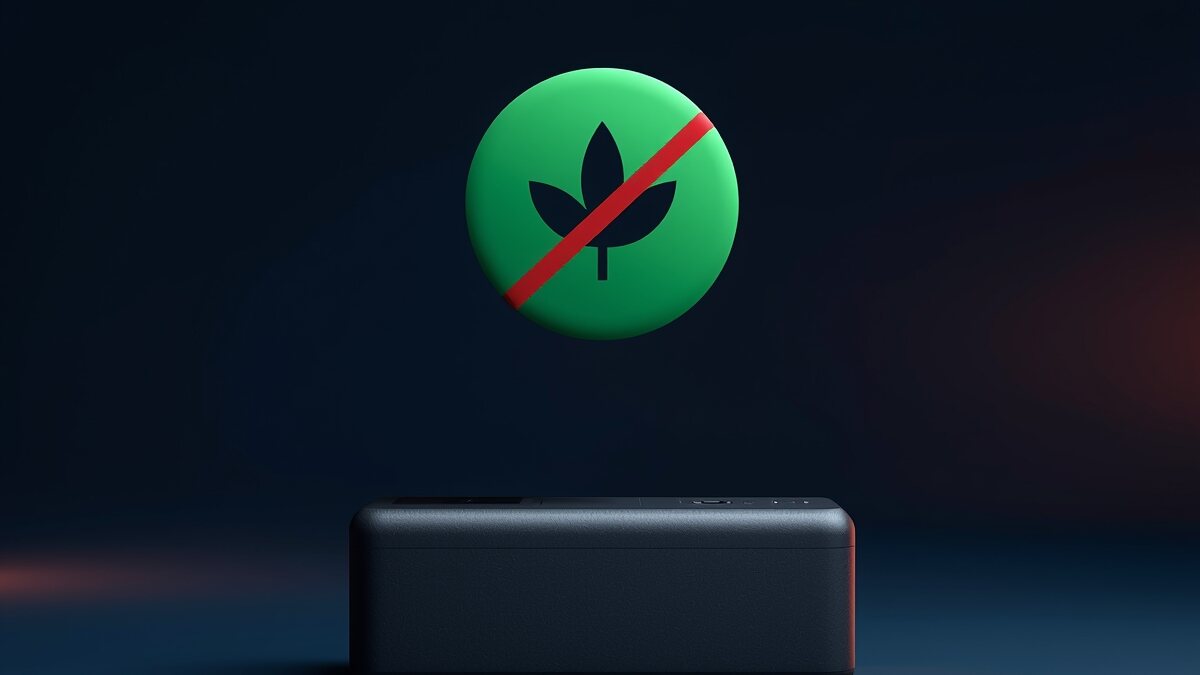
The Green Guides (officially 16 CFR Part 260) are the Federal Trade Commission's rules on how a business may describe the environmental benefits of a product without misleading shoppers. They are not new: the FTC first issued them in 1992 and revised them several times since, most recently in 2012. But 2026 has seen a marked increase in enforcement, with settlements this year specifically citing phrases like “carbon-neutral”, “recyclable” and “biodegradable” when a company could not back them up.
Unlike the European Union, which enforces a single hard deadline (27 September 2026, under its own EmpCo directive banning unproven green claims across all 27 member states), the US has no equivalent nationwide cutoff date. The Green Guides are enforced under Section 5 of the FTC Act, which prohibits unfair or deceptive practices, on an ongoing, case-by-case basis. What changed in 2026 is the intensity of that enforcement, not a new law.
Which claims draw the most scrutiny?
The Green Guides single out claims that are too broad to verify. A blanket “eco-friendly” or “green” label, without saying which specific environmental benefit is meant, is treated as inherently misleading, because almost no product benefits the environment in every possible way at once.
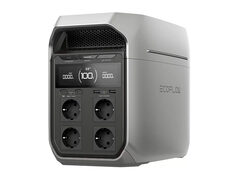
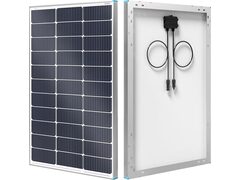
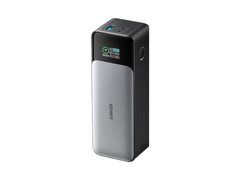
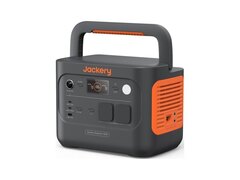
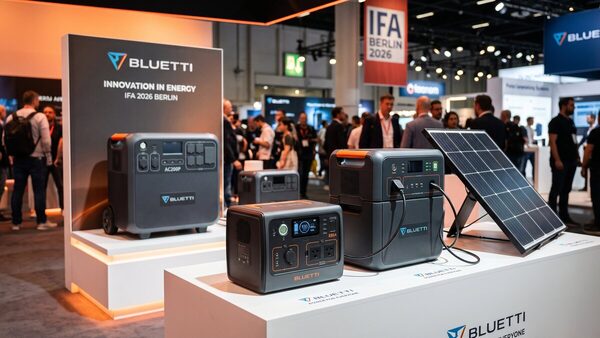
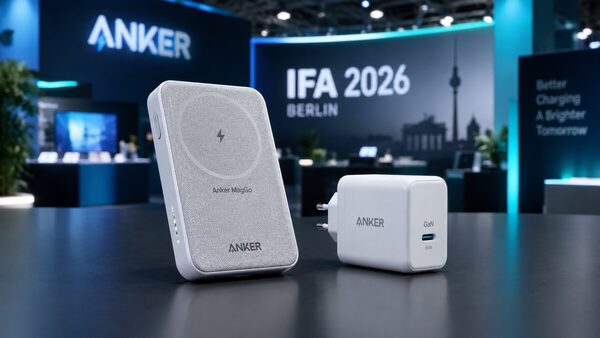
For our sector specifically, the riskiest claim is “carbon-neutral” or “climate positive” based purely on purchased carbon offsets, without a verified emissions footprint behind it. This shows up regularly in portable power marketing: “carbon-neutral shipping”, “net-zero packaging”, on batteries, power banks, power stations and solar panels from EcoFlow, Anker, Jackery, Bluetti and others. It isn't automatically illegal, but it now sits squarely inside FTC enforcement territory whenever the underlying substantiation is thin.
| Claim | FTC standing in 2026 |
|---|---|
| “Carbon-neutral” via offsets only, no verified footprint | High enforcement risk |
| “Eco-friendly”, “green” with no specific benefit named | High enforcement risk |
| “Recyclable” where local facilities can't actually process it | High enforcement risk |
| Specific, substantiated claim (e.g. “30% certified recycled plastic”) | Compliant |
What still works: specific claims with real substantiation
The Green Guides do not ban environmental marketing, they require it to be specific and substantiated. A claim naming one clear, measurable benefit, backed by competent and reliable scientific evidence, remains compliant: “made with 30% post-consumer recycled plastic, verified by a third party” rather than a bare “eco-friendly product”.
Forward-looking commitments (“targeting net-zero operations by 2040”) are treated more carefully by the FTC than a present-tense claim, but they still need a credible basis, not just an aspiration. A vague pledge with no plan behind it can itself be challenged as deceptive.
Why it matters when you shop for batteries, power stations or solar panels
US shoppers see environmental claims constantly on portable power products: “carbon-neutral shipping”, “sustainably made”, “eco-friendly packaging”. The FTC's stepped-up enforcement in 2026 doesn't ban these words outright, but it does raise the cost of using them loosely, which pushes brands toward either dropping vague claims or backing them with real, checkable data.
For a buyer, the practical takeaway is the same as anywhere else: a green claim is worth more when it names something specific and points to a source, and worth very little when it's just a phrase on a box. Comparing products on measurable specs rather than marketing language remains the safest approach, whether that's real capacity in Wh, cycle life, or the chemistry used. Our power station picks and solar section focus on exactly those measurable numbers rather than marketing claims.
No recall, no relabeling deadline for products already on sale
One point worth stressing so this story isn't overstated: there is no recall and no fixed relabeling deadline tied to this enforcement push. The FTC acts against specific claims through investigations and settlements, not through a blanket rule that forces every company to rewrite existing packaging by a set date, unlike the EU's single 27 September 2026 cutoff for its own green-claims ban.
What to expect instead is a gradual shift: brands that have relied on vague, offset-only “carbon-neutral” language have a growing incentive to either substantiate it properly or drop it, as more settlements make the FTC's expectations concrete. Our team keeps tracking enforcement actions relevant to batteries, power banks, power stations and solar equipment, and will update this article as the picture becomes clearer.